PoliticaecelebritàPoliticaecelebrità
Fai scroll per iniziare il percorso
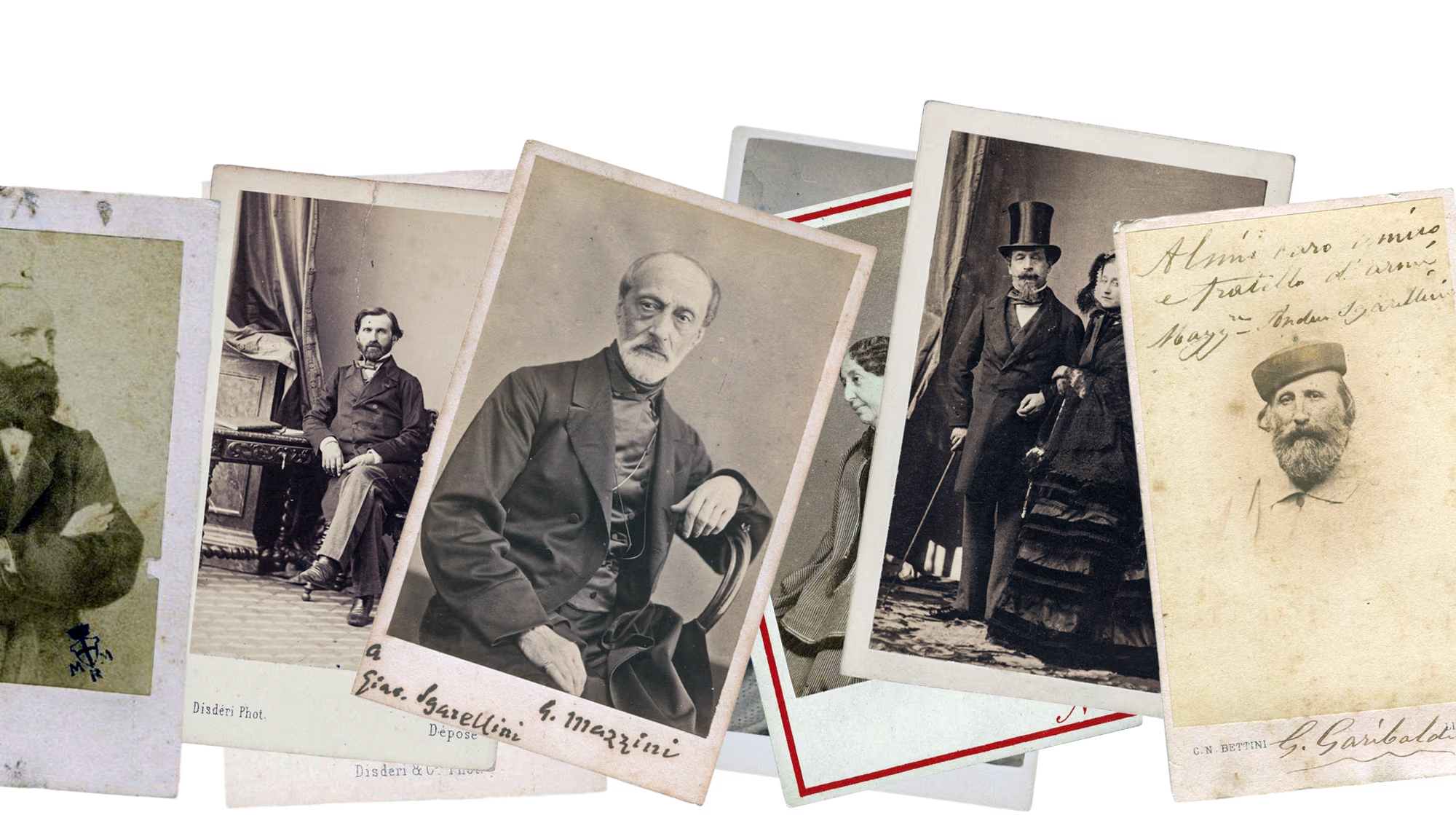
La storia di Mantova nel Risorgimento è legata anche al nome di Felice Orsini. Conosciuto oggi soprattutto per l’attentato alla vita di Napoleone III, per i suoi contemporanei era anche il patriota fuggito in modo avventuroso dalle prigioni austriache di Mantova. Partendo dalla storia di Orsini, vedremo come il Risorgimento sia stato caratterizzato da una straordinaria produzione mediatica: biografie, ritratti, spettacoli e oggetti illustrati rendevano familiari e appassionanti le vite delle persone che grazie al loro impegno politico divenivano delle vere e proprie celebrità.
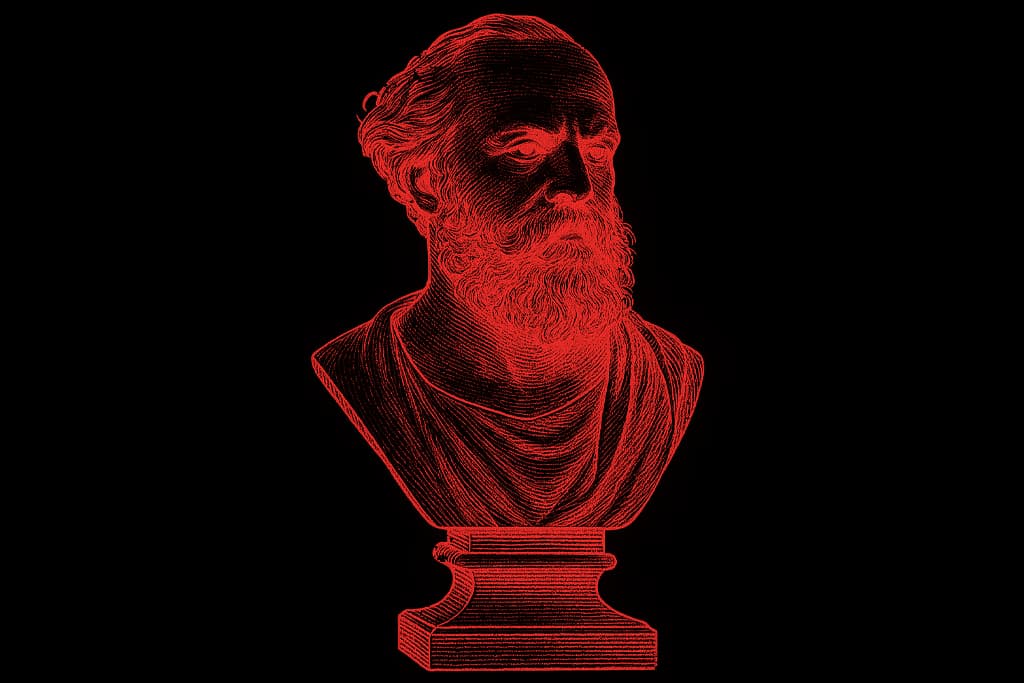
Felice Orsini

L’attentato
Parigi, 14 gennaio 1858. L’imperatore Napoleone III si sta recando in carrozza all’Opéra. Confusi tra la folla che lo aspetta all’entrata del teatro ci sono quattro patrioti italiani. All’improvviso lanciano contro il corteo imperiale delle bombe al fulminato di mercurio. Difeso dalla carrozza blindata, l’imperatore rimane illeso, ma restano sul terreno 8 morti e 156 feriti. Poche ore dopo gli attentatori sono in arresto.
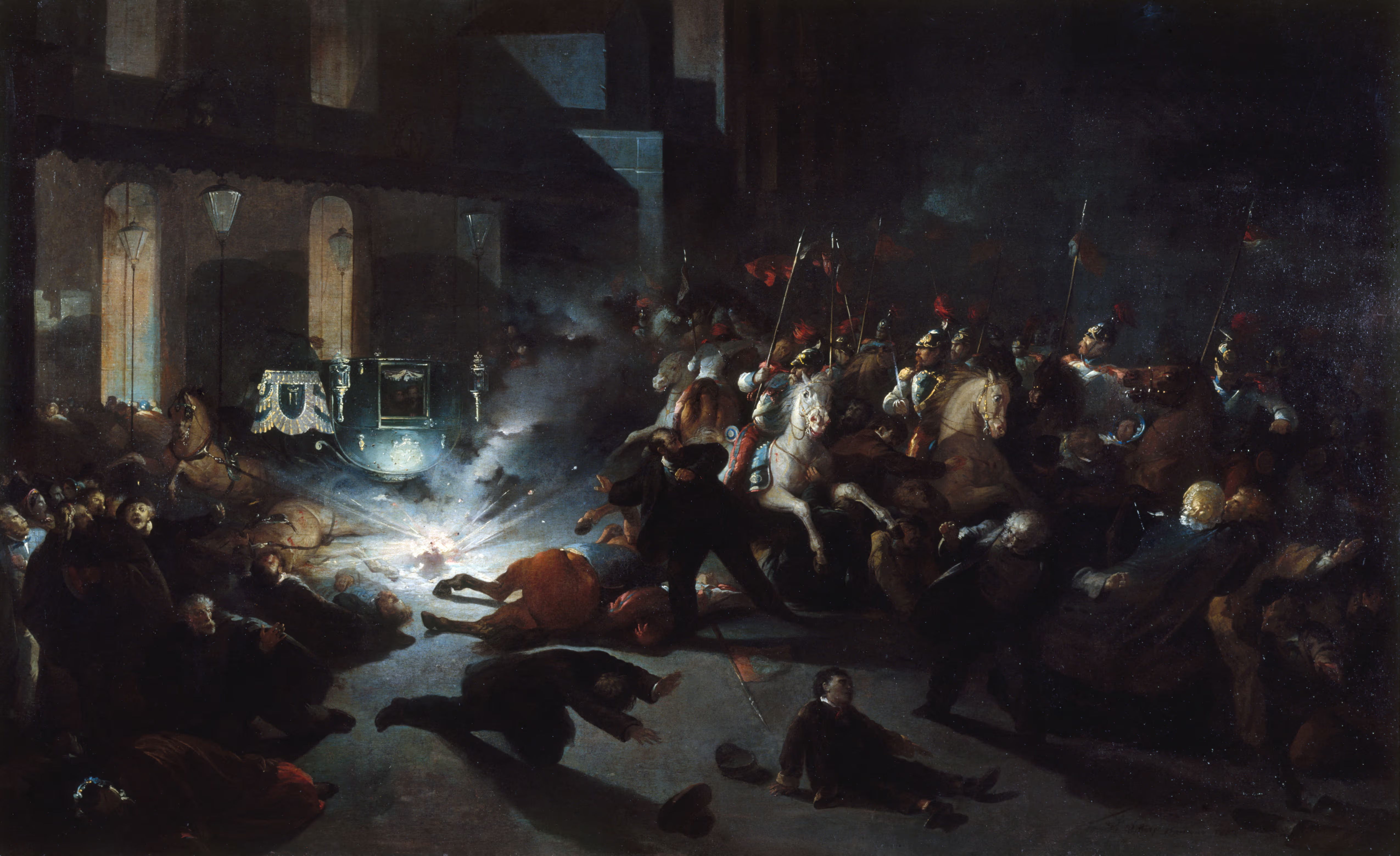
L’attentato voleva colpire quello che i patrioti italiani consideravano un traditore e un ostacolo all’unificazione. Nel 1849 l’esercito francese aveva represso la Repubblica romana e da allora si ergeva a garante dell’integrità territoriale dello Stato pontificio. Eliminare Napoleone III significava vendicare il passato e dare una speranza alla causa italiana: così la pensava l’ideatore dell’attentato, il radicale Felice Orsini, suddito pontificio ed esule della Repubblica romana. L’attentato ebbe un’enorme eco mediatica: le numerose vittime civili e la spettacolarità del gesto turbarono l’opinione pubblica europea e il processo contro gli attentatori fu molto seguito. Orsini mantenne in aula un atteggiamento contrito ma fermo e dignitoso. Il suo difensore, Jules Favre, figura di spicco del movimento democratico francese, lesse una lettera di Orsini all’imperatore, nella quale lo sconsiderato attentato si trasformava in un tragico appello alla causa italiana.
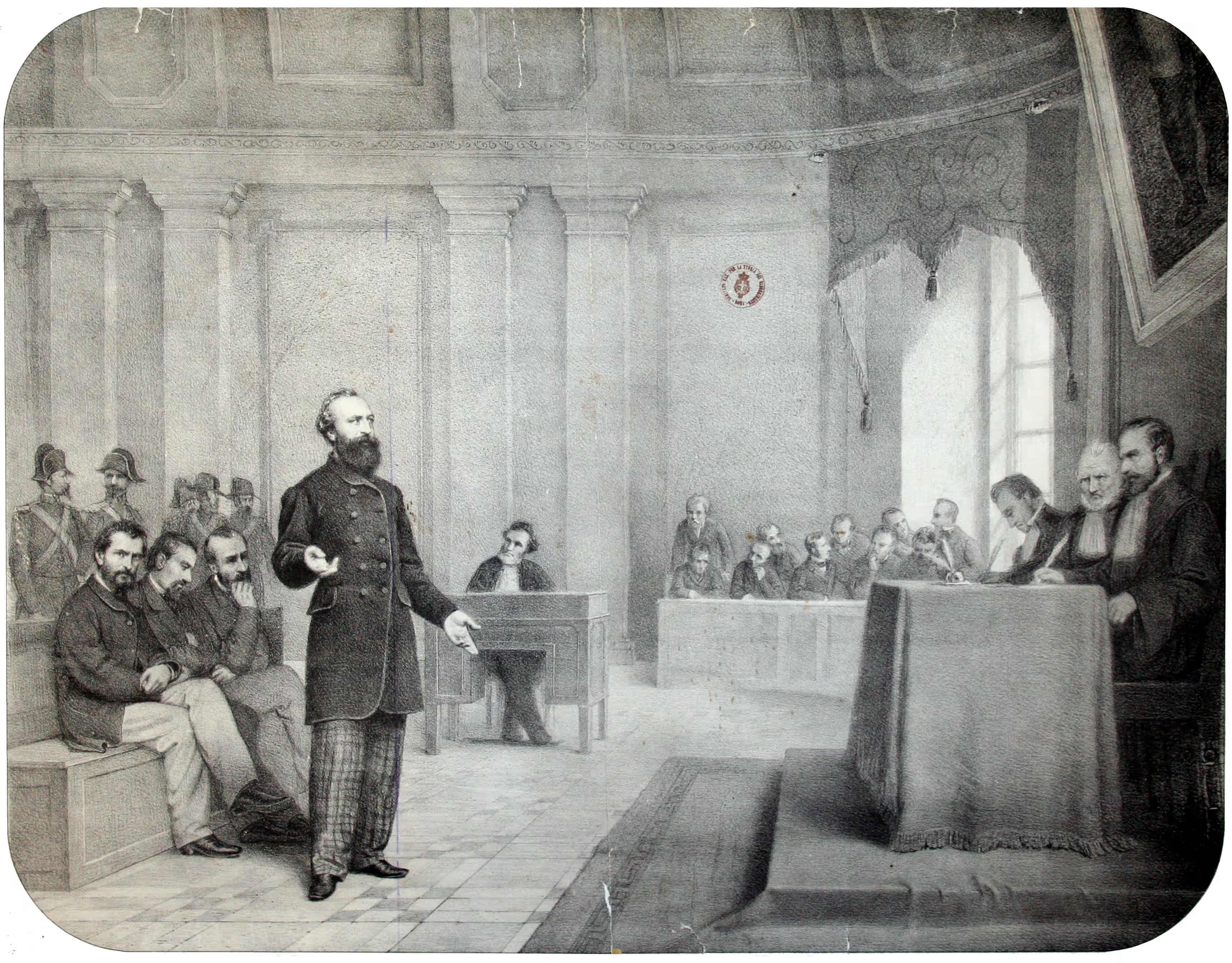
«Per l'attuale assetto politico dell'Europa sta oggi in poter vostro di fare l'Italia indipendente o di tenerla schiava dell'Austria e di ogni specie di stranieri»
Felice Orsini, 11 febbraio 1858
Il patriota Orsini
Per Felice Orsini, che era nato a Meldola (Forlì) nel 1819, il patriottismo era una questione di famiglia. Suo padre, ex ufficiale napoleonico, affiliato alla Carboneria negli anni Venti, era finito spesso nei guai con la polizia. Dopo essersi laureato in legge, anche Felice abbracciò gli ideali patriottici partecipando ai moti contro il governo pontificio. Arrestato e condannato all’ergastolo nel 1844, fu liberato due anni dopo grazie all’amnistia concessa dal nuovo papa Pio IX.
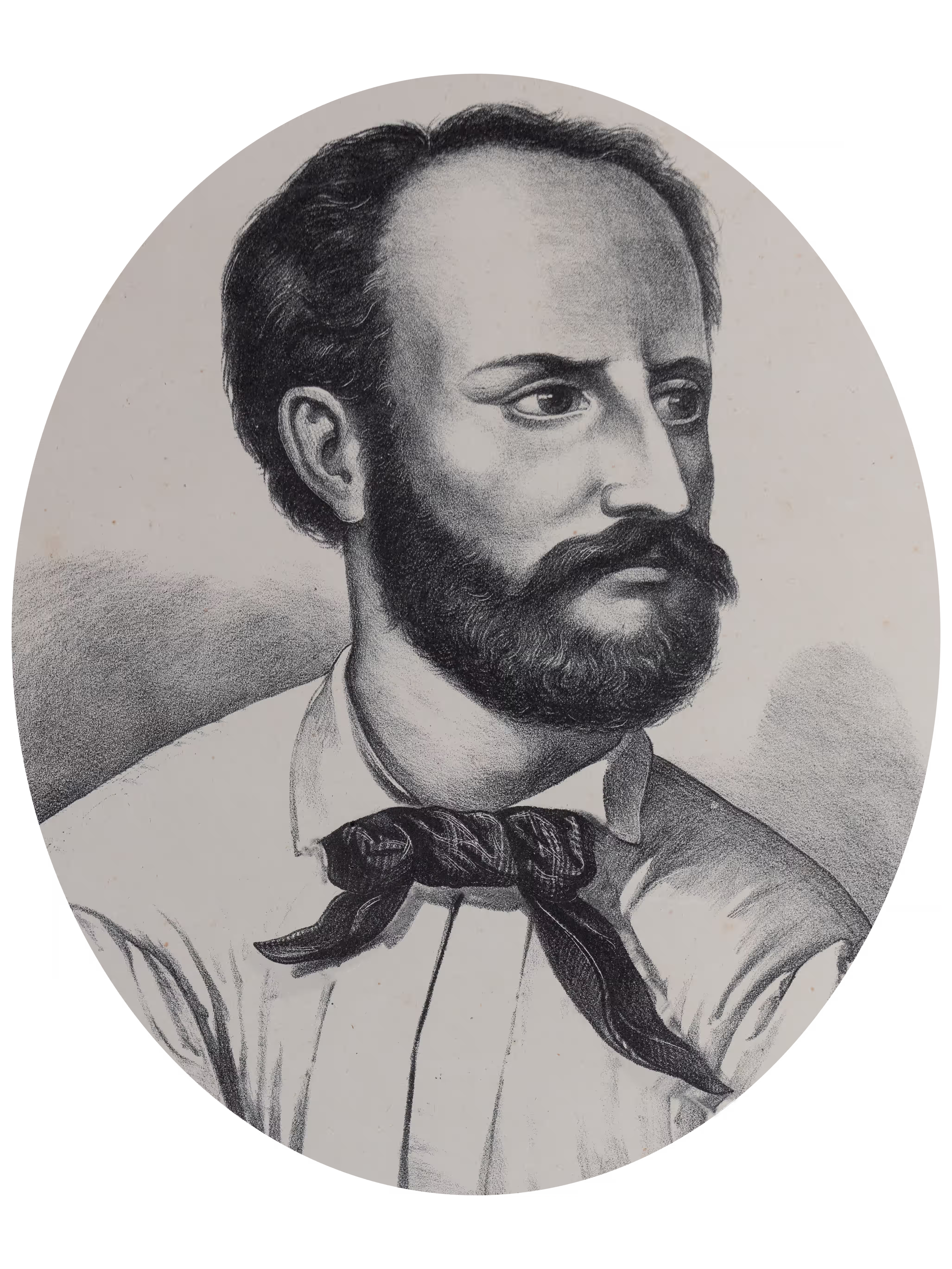
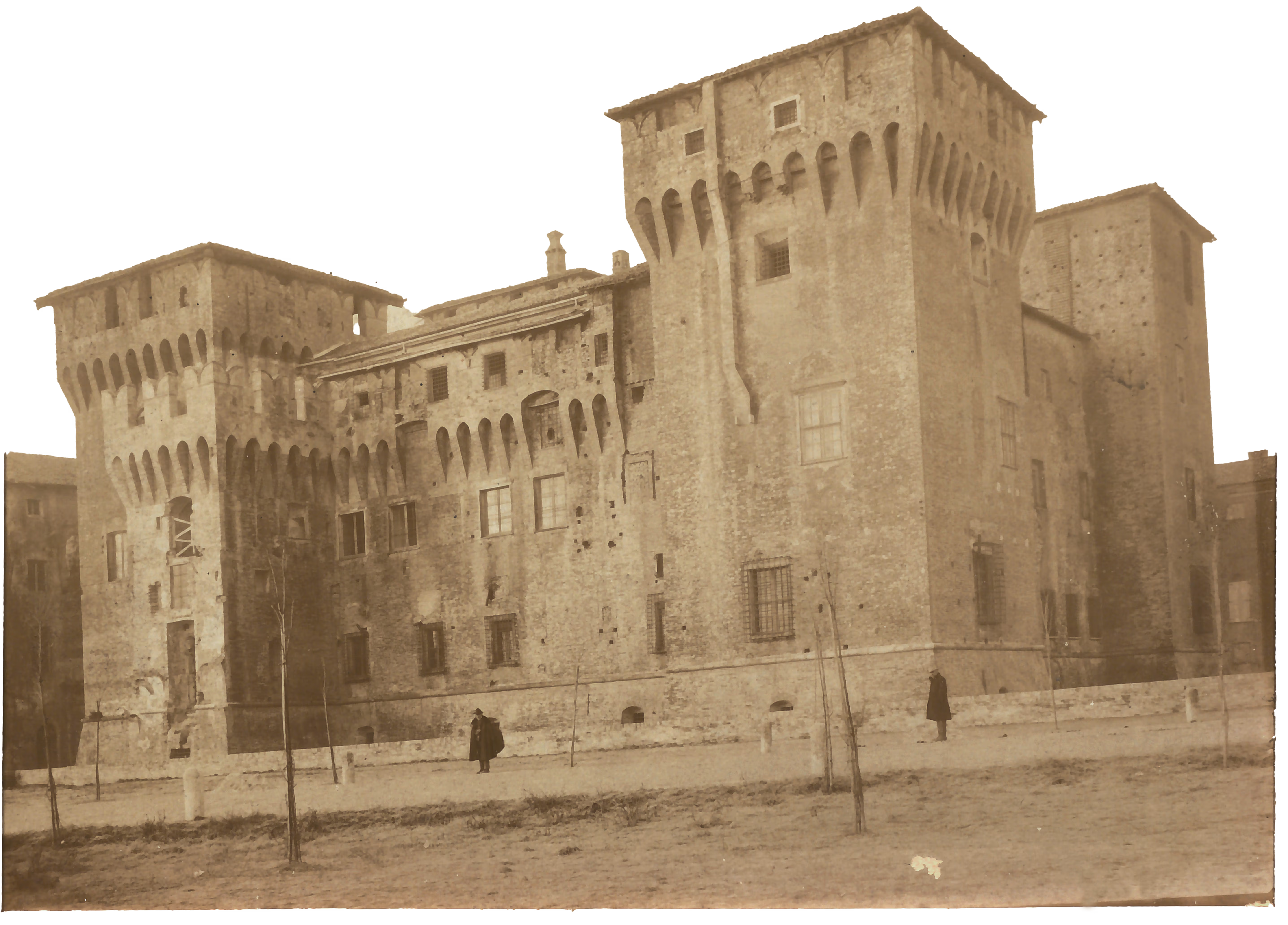
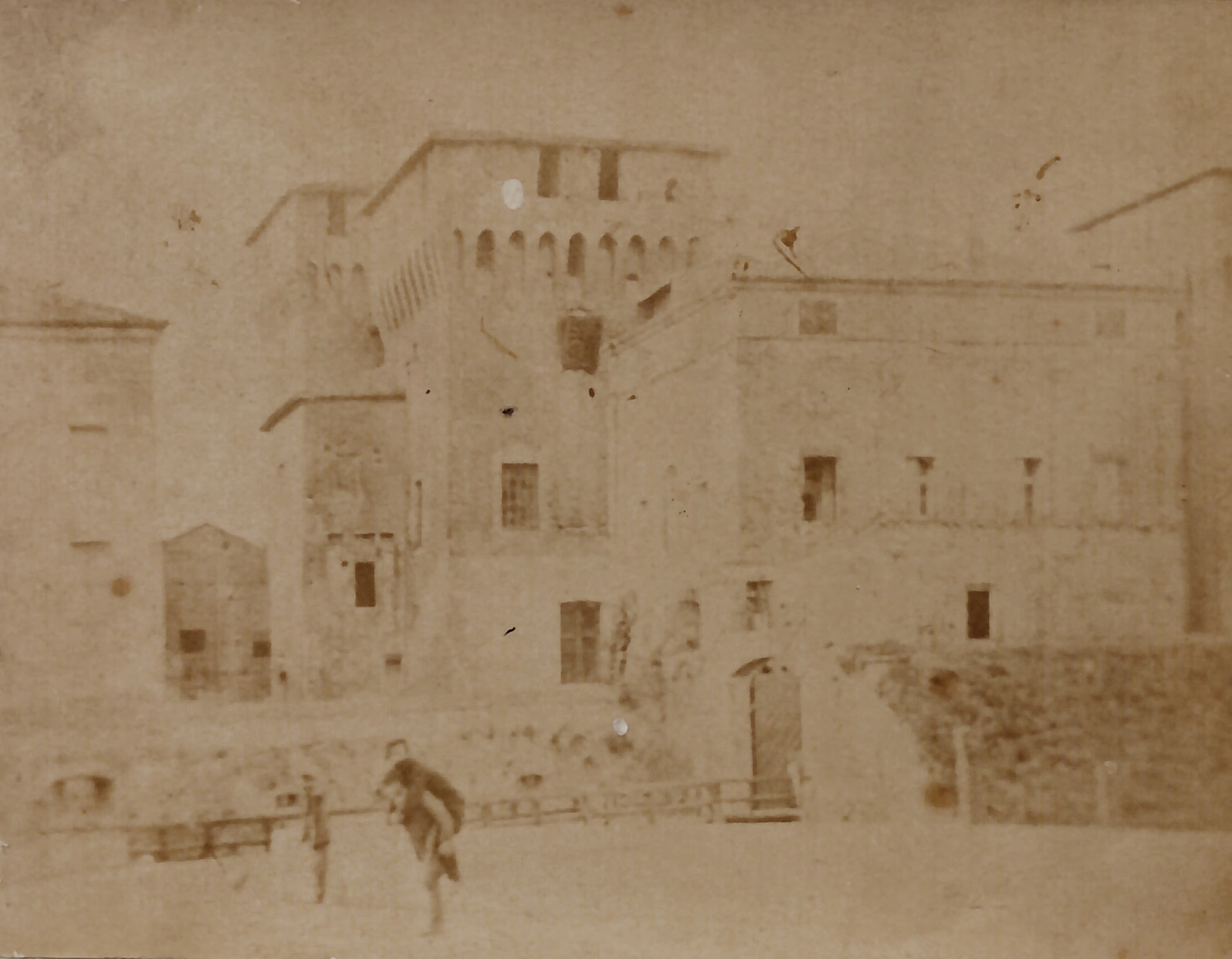
Il 1848 di Orsini fu all’insegna di un febbrile impegno militare. Ufficiale in una formazione volontaria bolognese, partecipò alla prima guerra d’indipendenza, alla difesa di Venezia e poi combatté contro le bande contro-rivoluzionarie ostili alla Repubblica romana. Quando Roma fu occupata dall’esercito francese nel luglio 1849, come molti difensori accorsi a sostenere la Repubblica dalle province pontificie e dagli altri Stati preunitari, Orsini fu costretto a imboccare la via dell’esilio. Ma riprese presto l’attività cospirativa. Dopo aver partecipato a tre tentativi insurrezionali – tutti falliti – di matrice mazziniana, decise di fare il patriota a modo suo. Nel 1854 si arruolò sotto falso nome nell’esercito imperiale con lo scopo di fare propaganda, ma fu quasi subito scoperto e arrestato in Ungheria. Riportato in Italia, fu recluso nel castello di San Giorgio a Mantova, in attesa di essere processato per alto tradimento.
La fuga
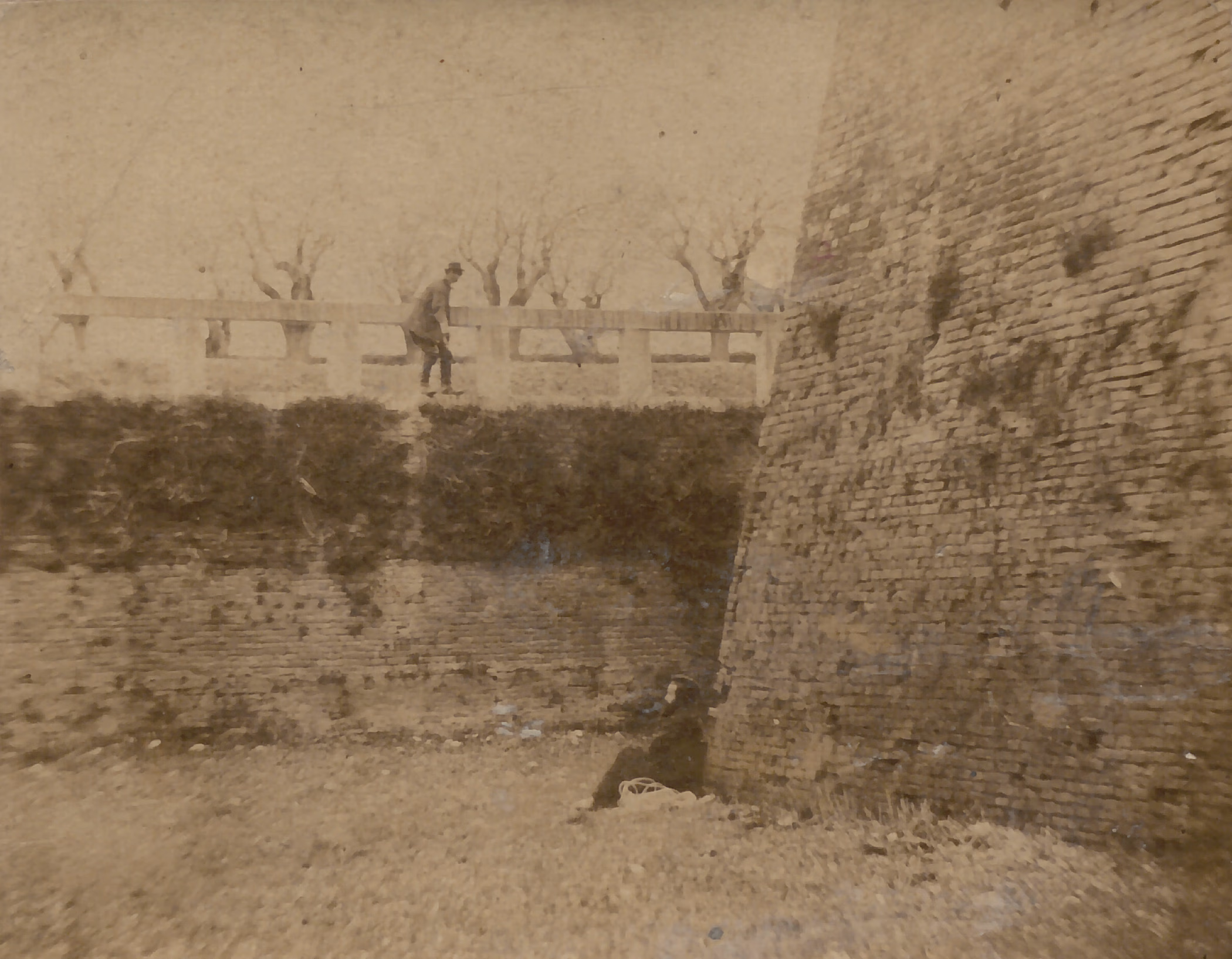
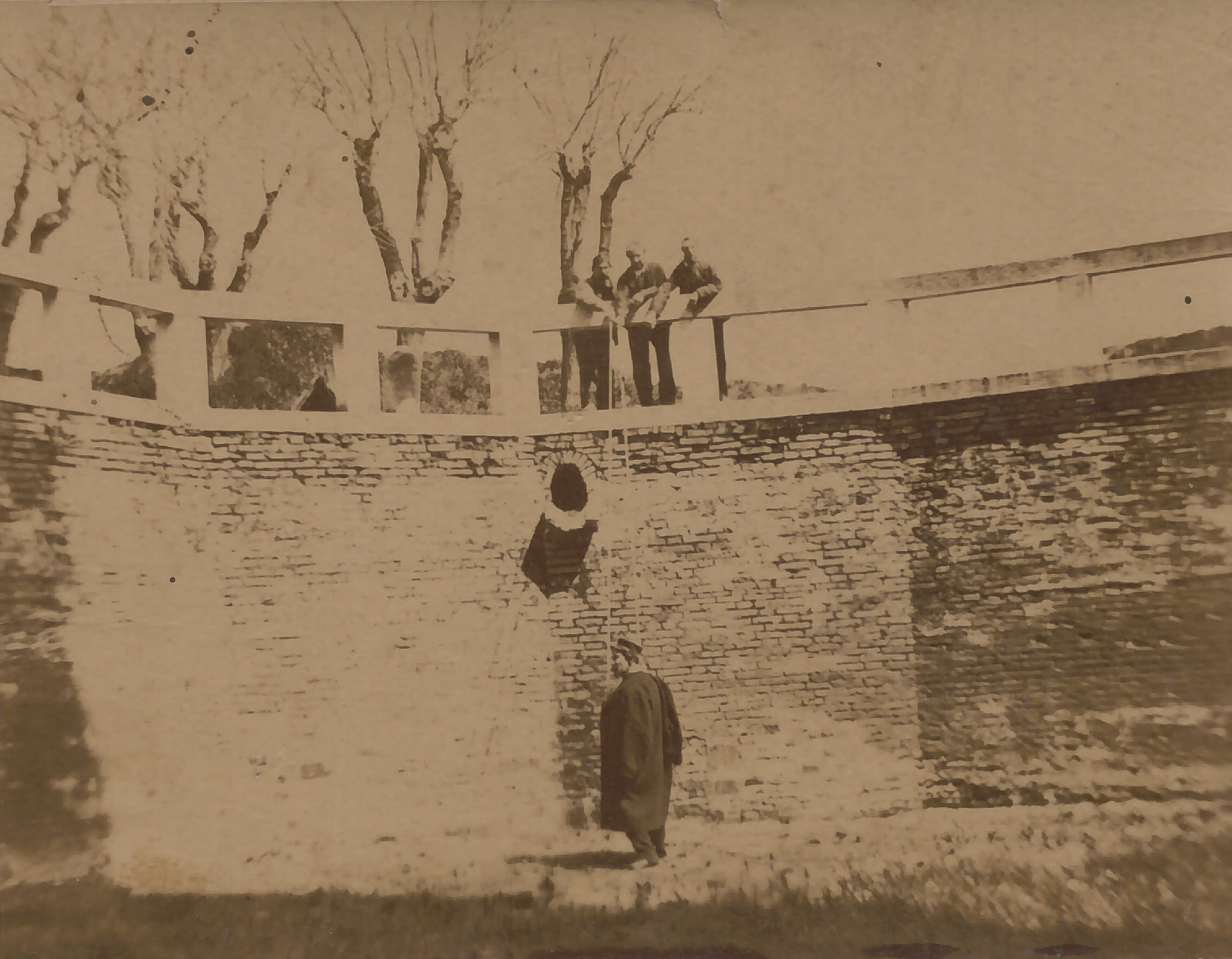
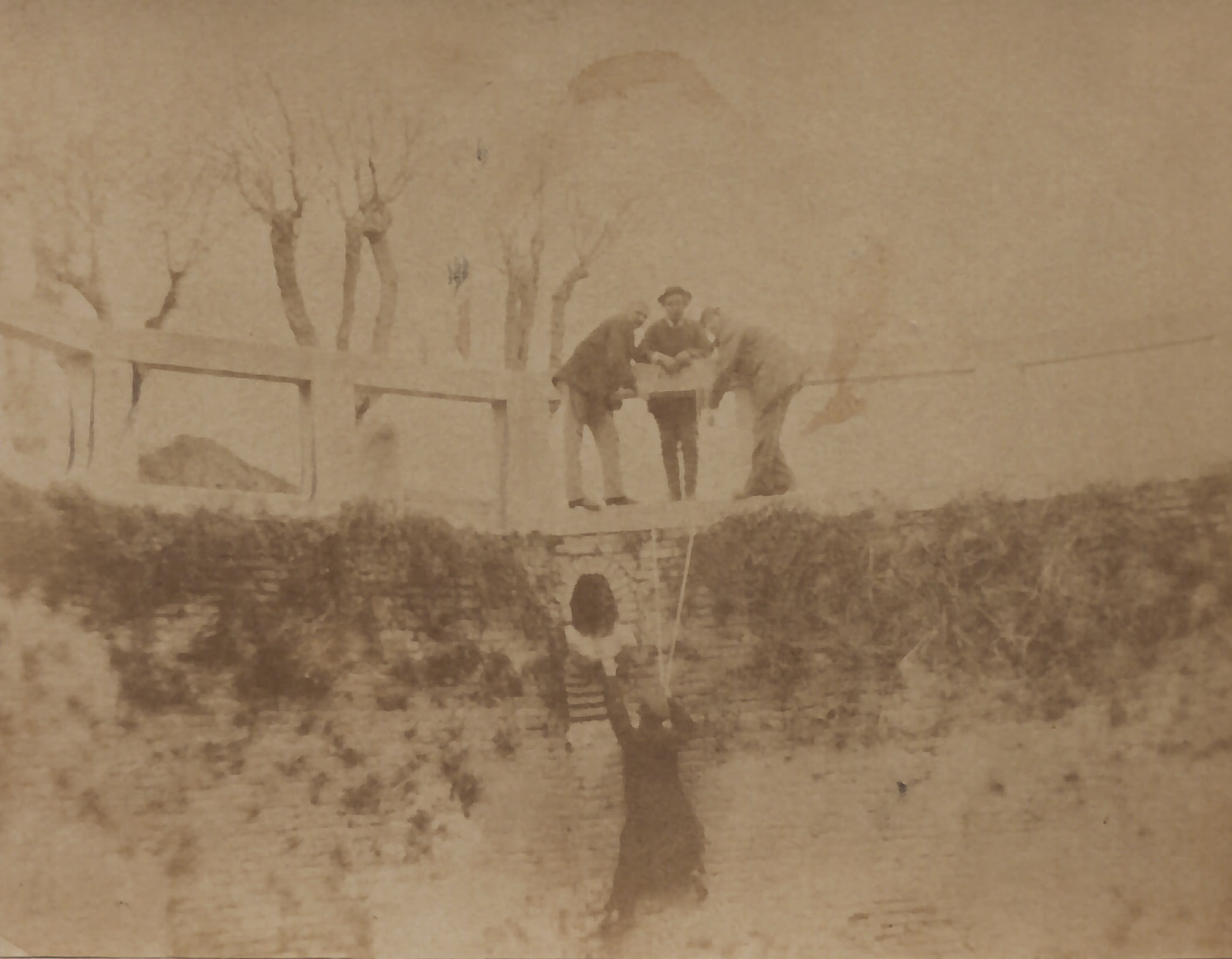
Di fronte alla prospettiva quasi certa di una condanna a morte, Orsini progettò la fuga. Dopo essersi procurato lime e lenzuola, nella notte del 29 marzo 1856 si calò lungo le mura, slogandosi però un piede nella caduta. Incapace di muoversi, rimase nel fossato tutta la notte, fino a quando un pescatore di lago che passava di lì per caso, udite le sue richieste d’aiuto, lo portò via con l’aiuto di due contadini.
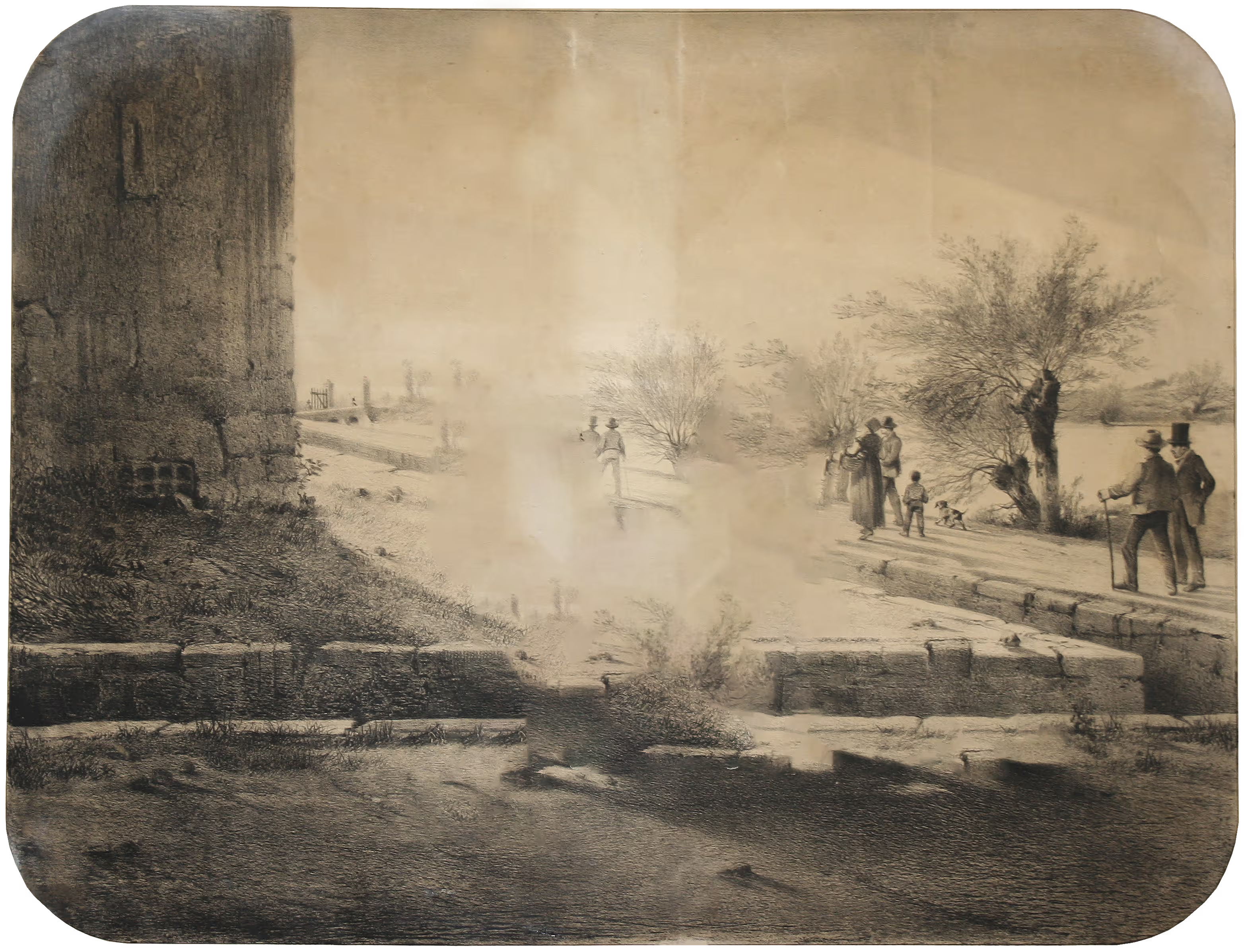
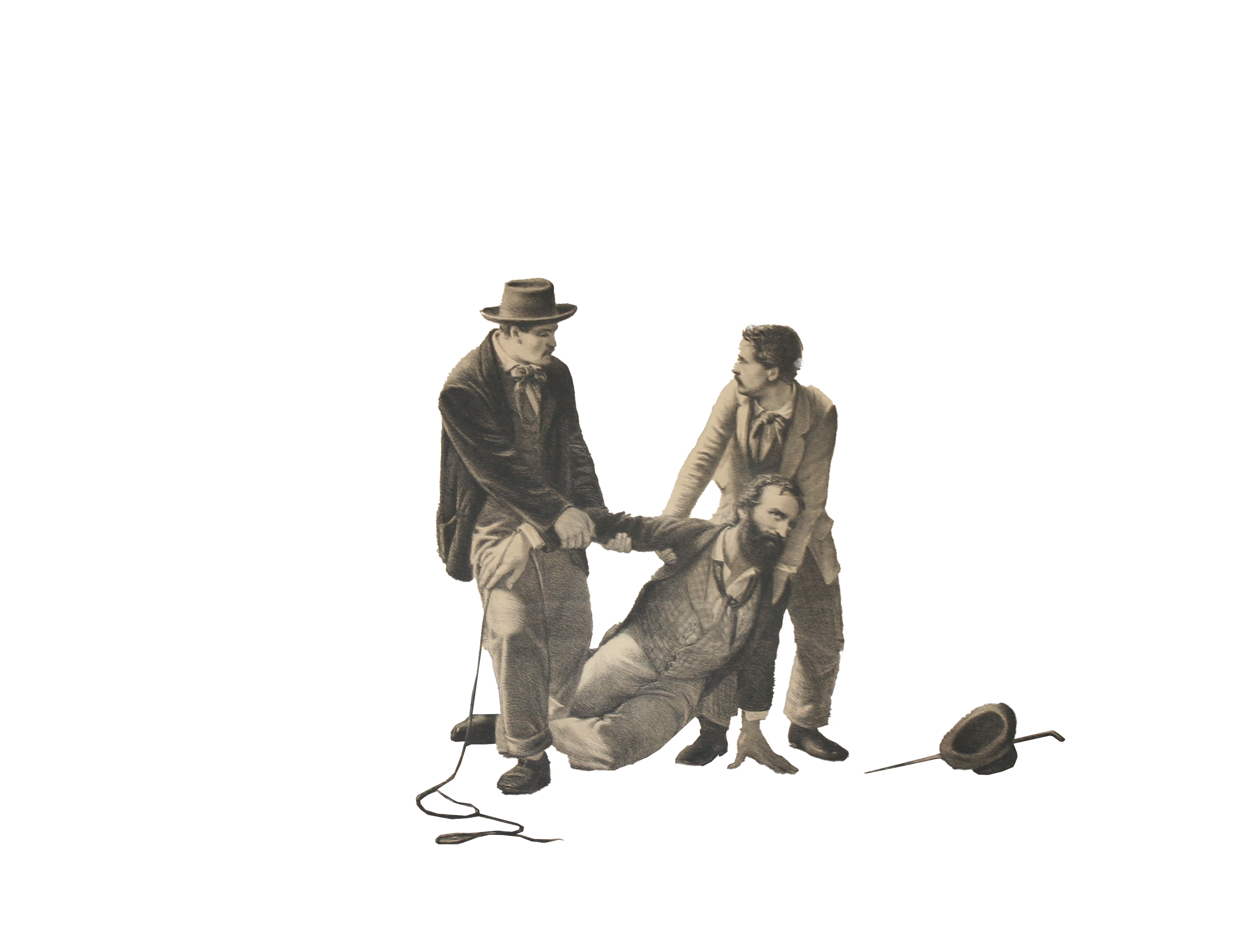
«Carissima Emma, sono libero da 12 giorni e da 2 in luogo non austriaco […]. Ora veniamo ad altro ed assai necessario […]. Si faccia un articolo sui particolari della fuga […]. L’articolo sia fatto anche in tedesco e in francese […]»
Lettera di Orsini a Emma Herweg, 11 aprile 1856
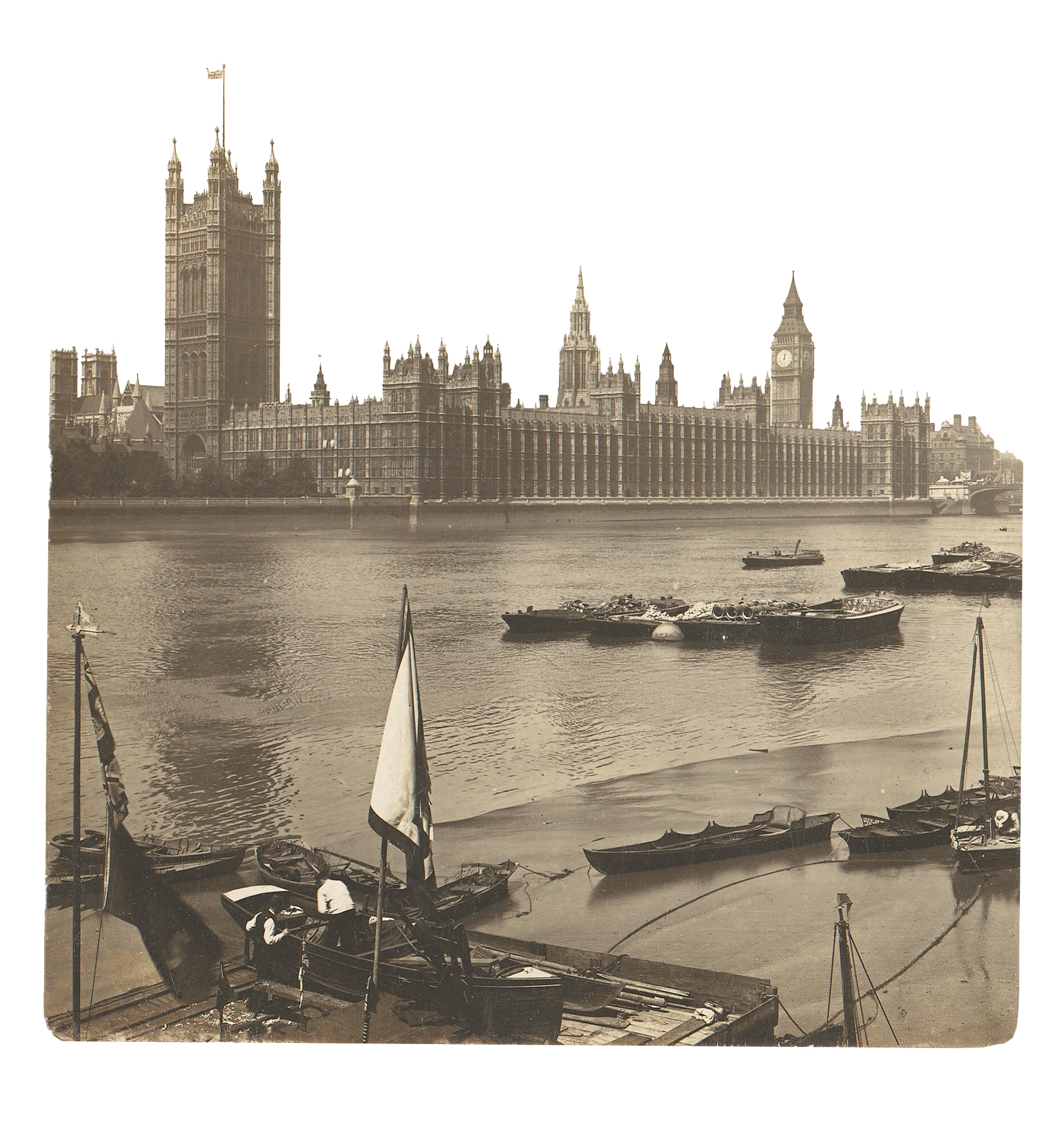
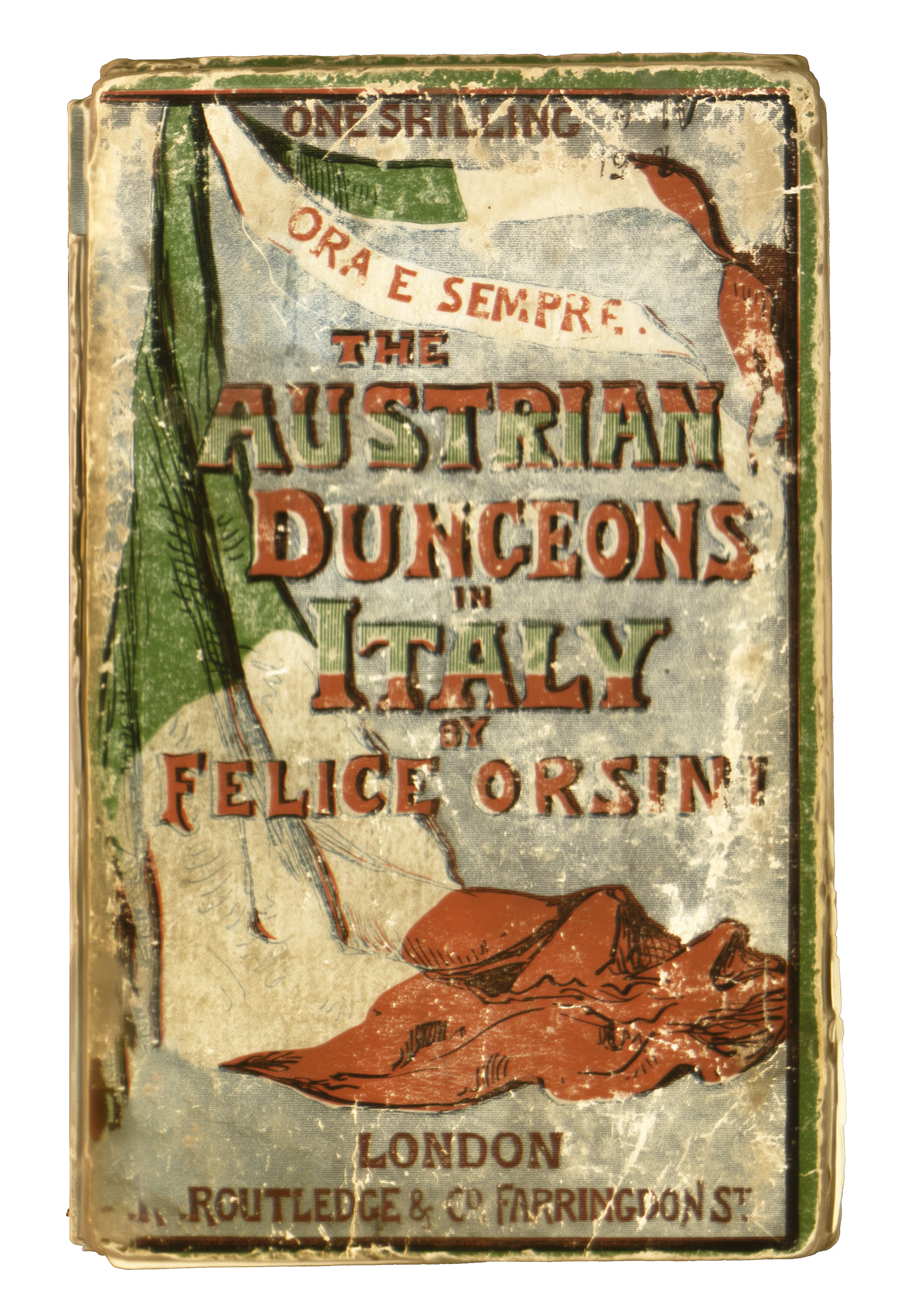
Nel maggio 1856 Orsini arrivò a Londra. Su spinta di Mazzini, scrisse subito un instant book dedicato alla sua avventurosa storia. La romantica descrizione delle sue traversie e la denuncia del dispotismo austriaco colpirono profondamente l’opinione pubblica britannica e il libro ebbe un successo clamoroso: con 35.000 copie vendute in un anno, secondo i giornali inglesi era divenuto un «household book». Grazie al successo delle sue memorie, Orsini divenne per il pubblico inglese uno dei principali testimonial della causa italiana, al pari di Mazzini o Garibaldi. Tra il settembre 1856 e il luglio 1857, tenne conferenze di grande successo in molte città del Regno Unito. Il pubblico accorreva in gran numero ad ascoltare il patriota italiano, ma anche l’intrepido avventuriero capace di fuggire dalle segrete austriache.
Mediatizzazione e celebrità

Editoria
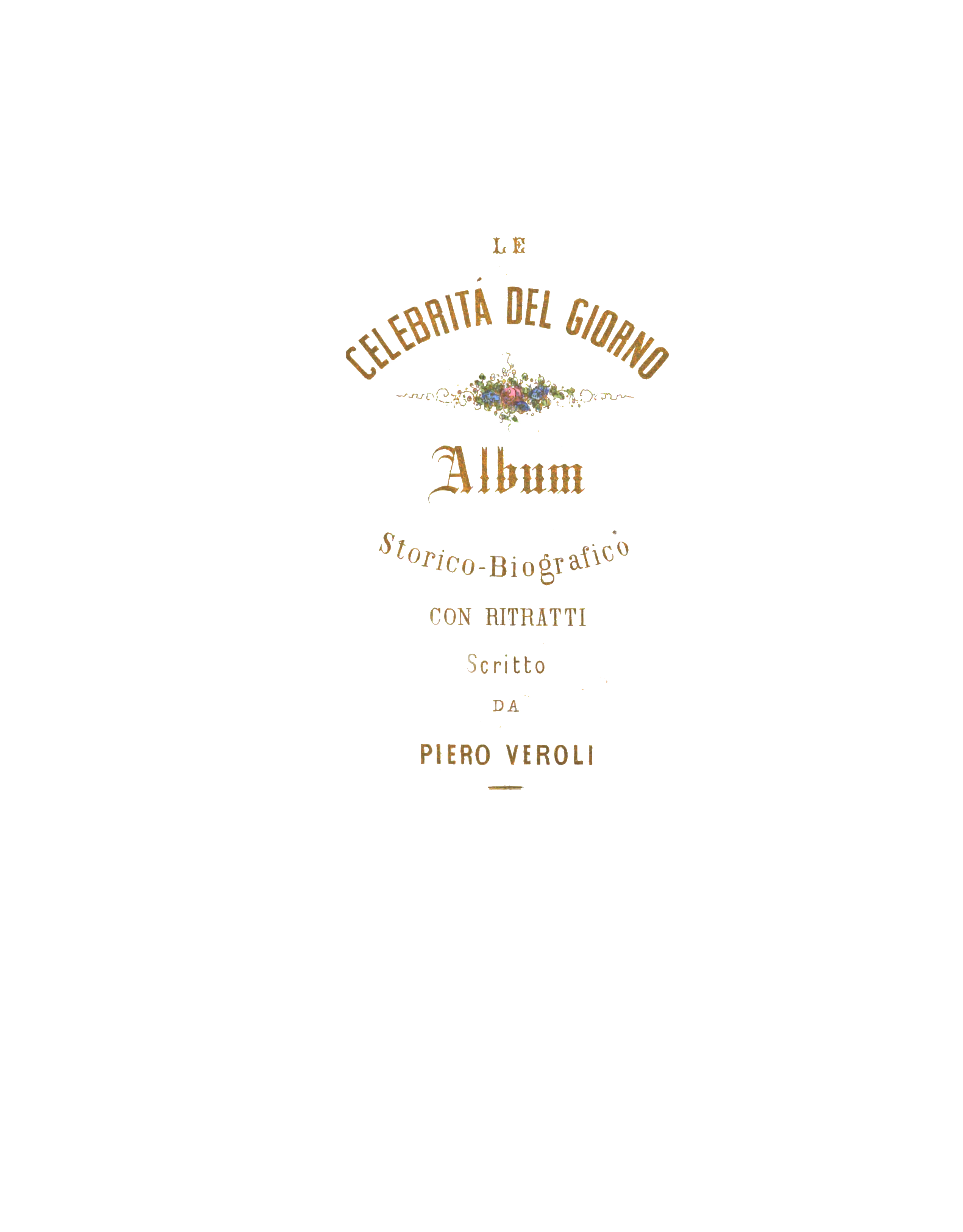
Nella prima metà dell’Ottocento si assiste a una vera e propria esplosione della carta stampata – giornali, opuscoli, libri – grazie al miglioramento delle tecniche tipografiche. In Italia tra i testi più popolari vi erano memorie, biografie, autobiografie dei protagonisti del Risorgimento: narrate in modo epico e romantico, le loro vicende volevano essere d’esempio per la riscossa della nazione.
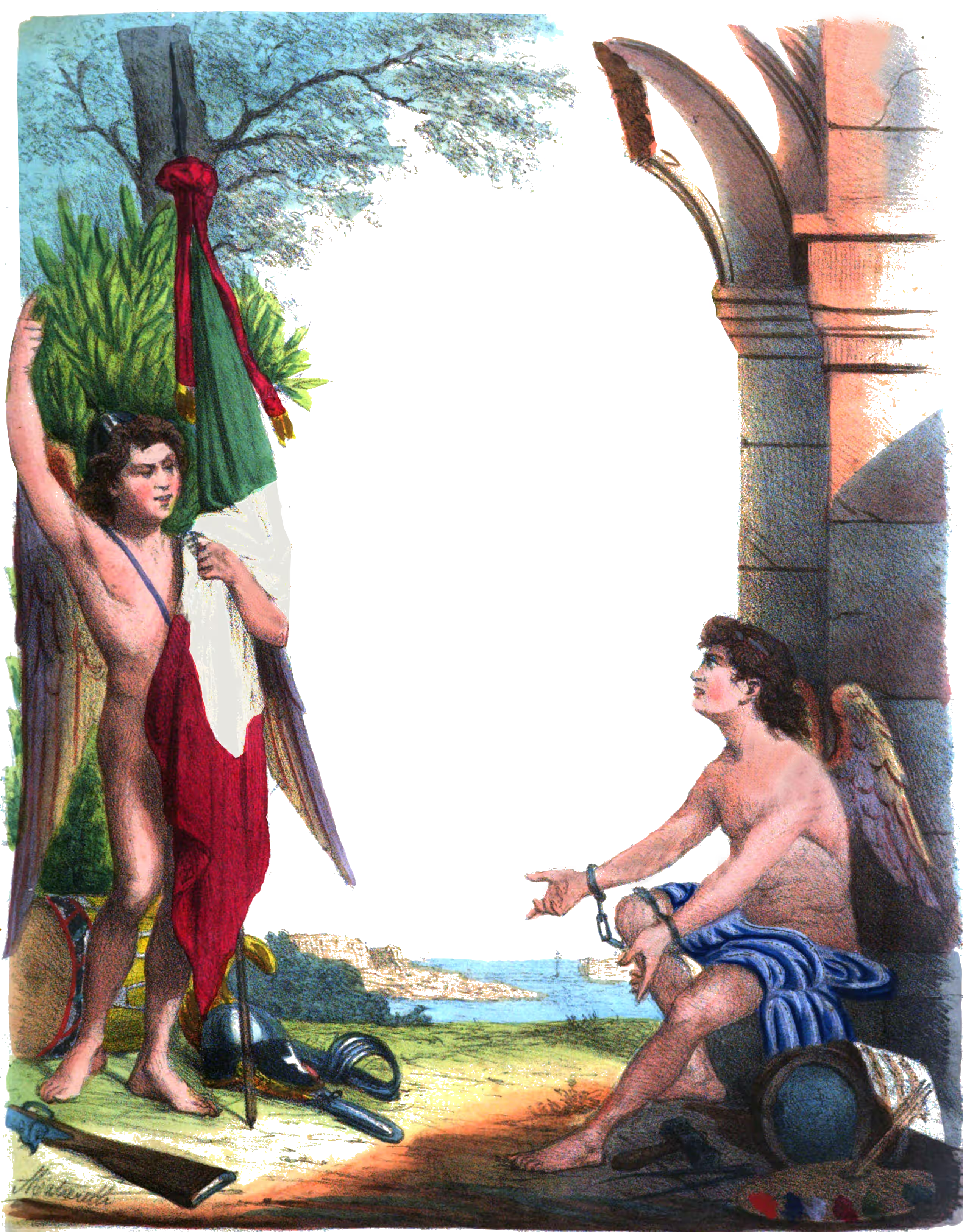
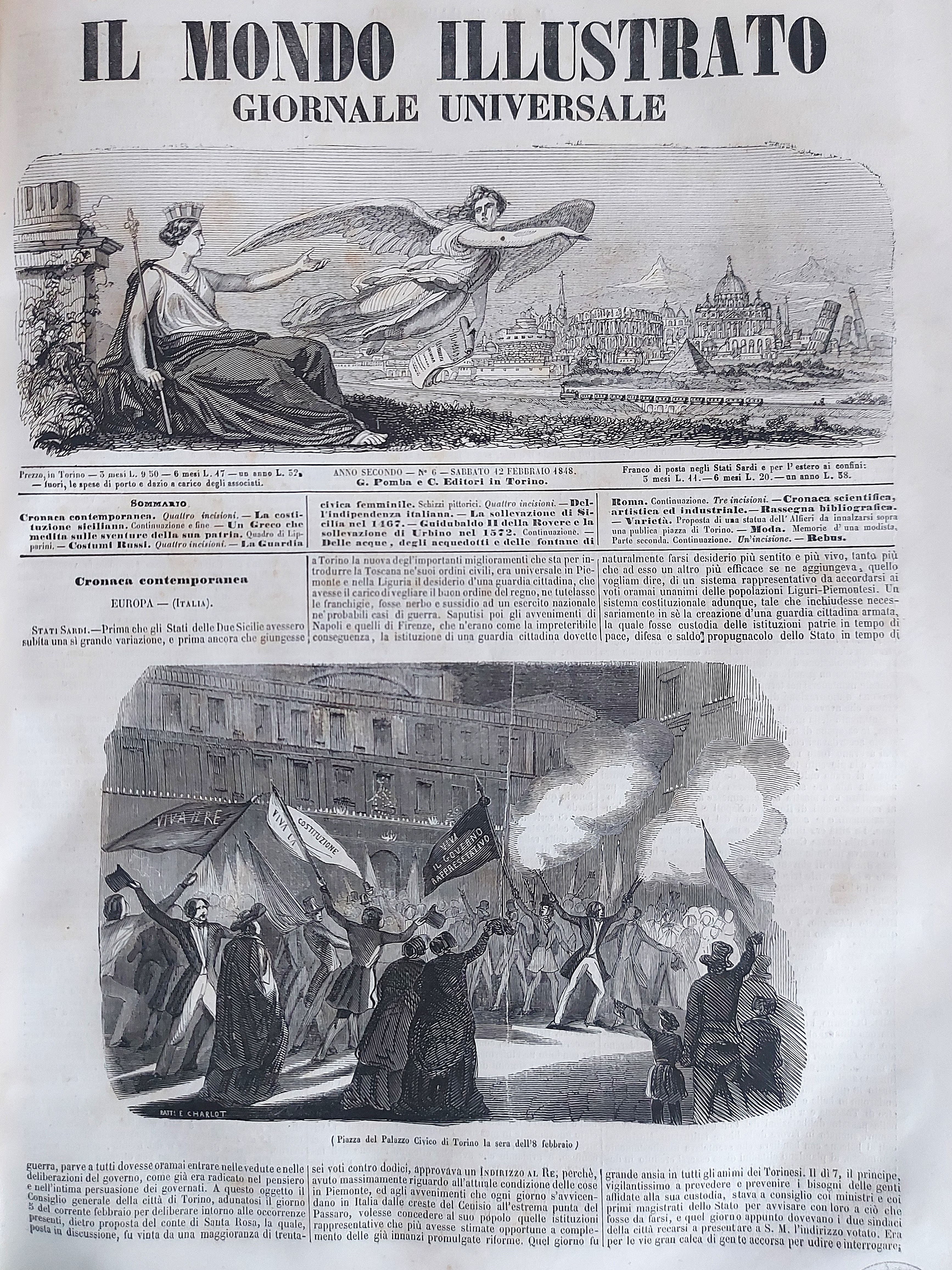
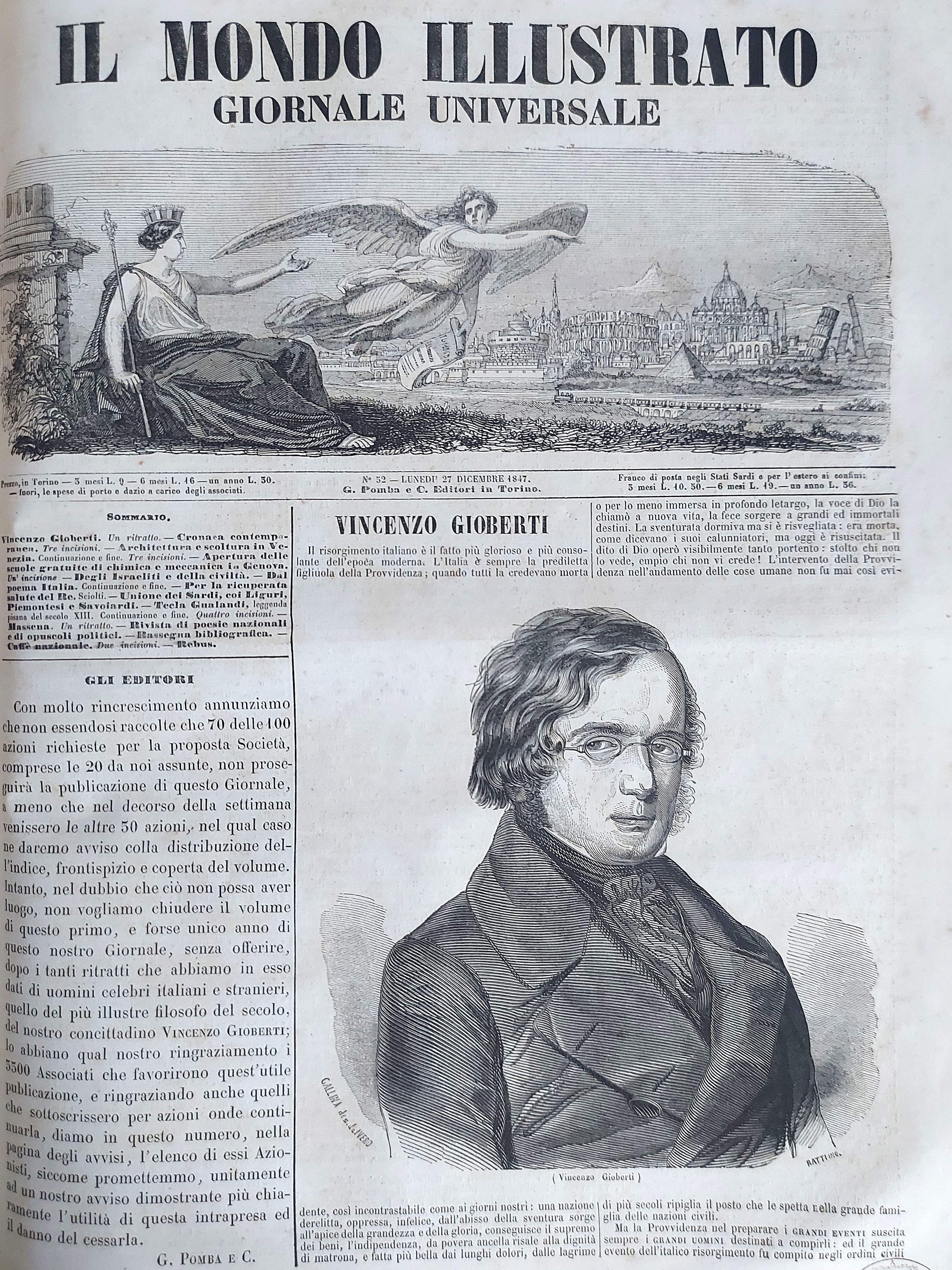
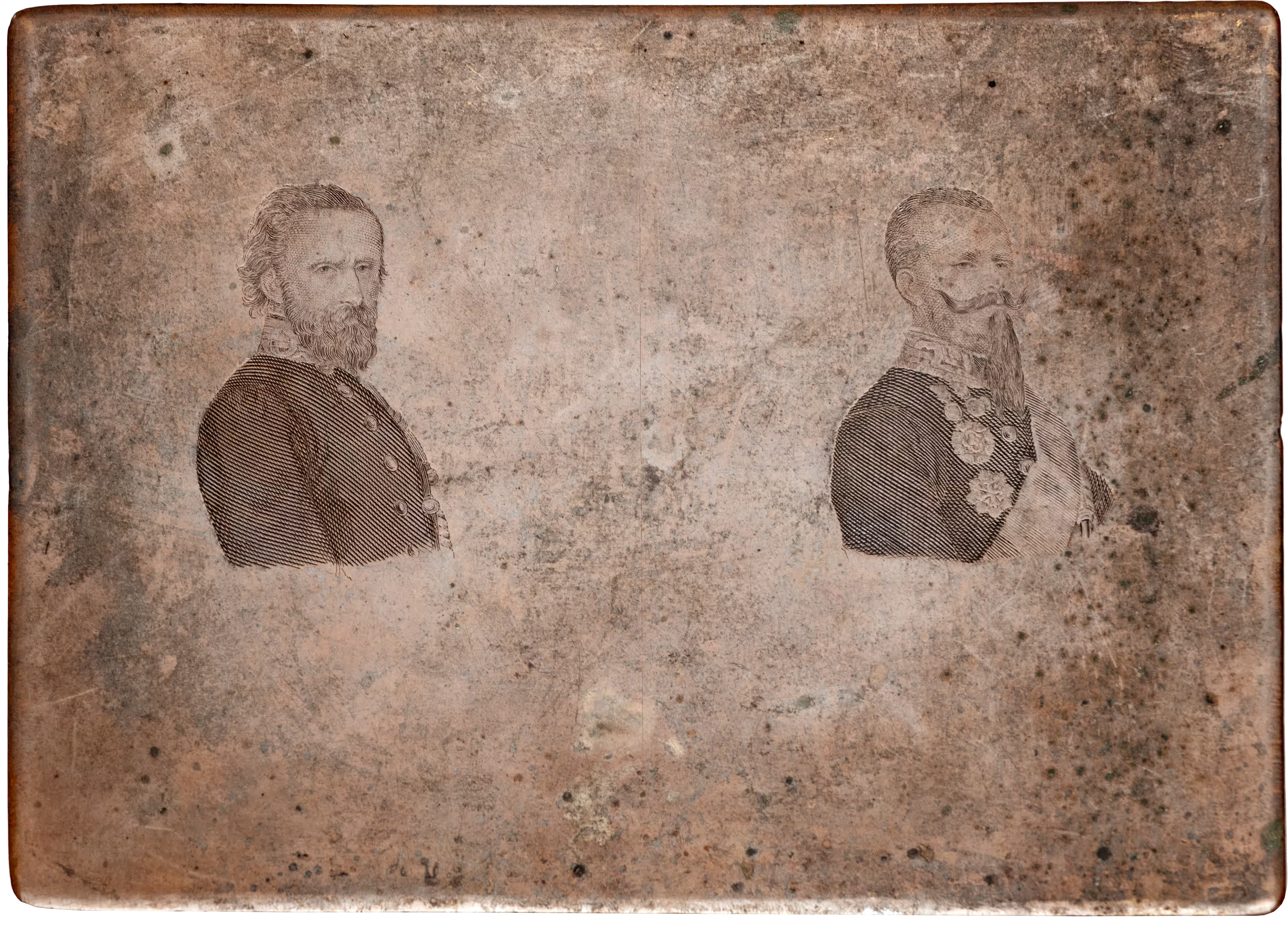
Non vi era solo la parola scritta a rendere popolari i nuovi leader politici. Il pubblico era ansioso di conoscere anche il loro aspetto fisico. Durante il Risorgimento vengono realizzati in tempo reale centinaia di ritratti politici. Spesso si trattava di stampe a buon mercato, che come avveniva tradizionalmente erano vendute in forma sciolta. Ma ora queste immagini potevano essere riprodotte anche sui nuovi periodici illustrati.
Fotografia
A moltiplicare le immagini in circolazione contribuisce un’autentica invenzione del secolo. Nel 1839 a Parigi e a Londra sono depositati i primi brevetti relativi a una tecnologia su cui da tempo si concentrano gli esperimenti di scienziati, artigiani e appassionati: la fotografia. Il successo del nuovo medium è rapido e inarrestabile. Ritrovati tecnici e invenzioni visive si susseguono a ritmo vorticoso e rinnovano a fondo il mercato ottocentesco dell’immagine. Un ruolo fondamentale riveste la carte-de-visite, un ritratto di produzione seriale e di piccolo formato.
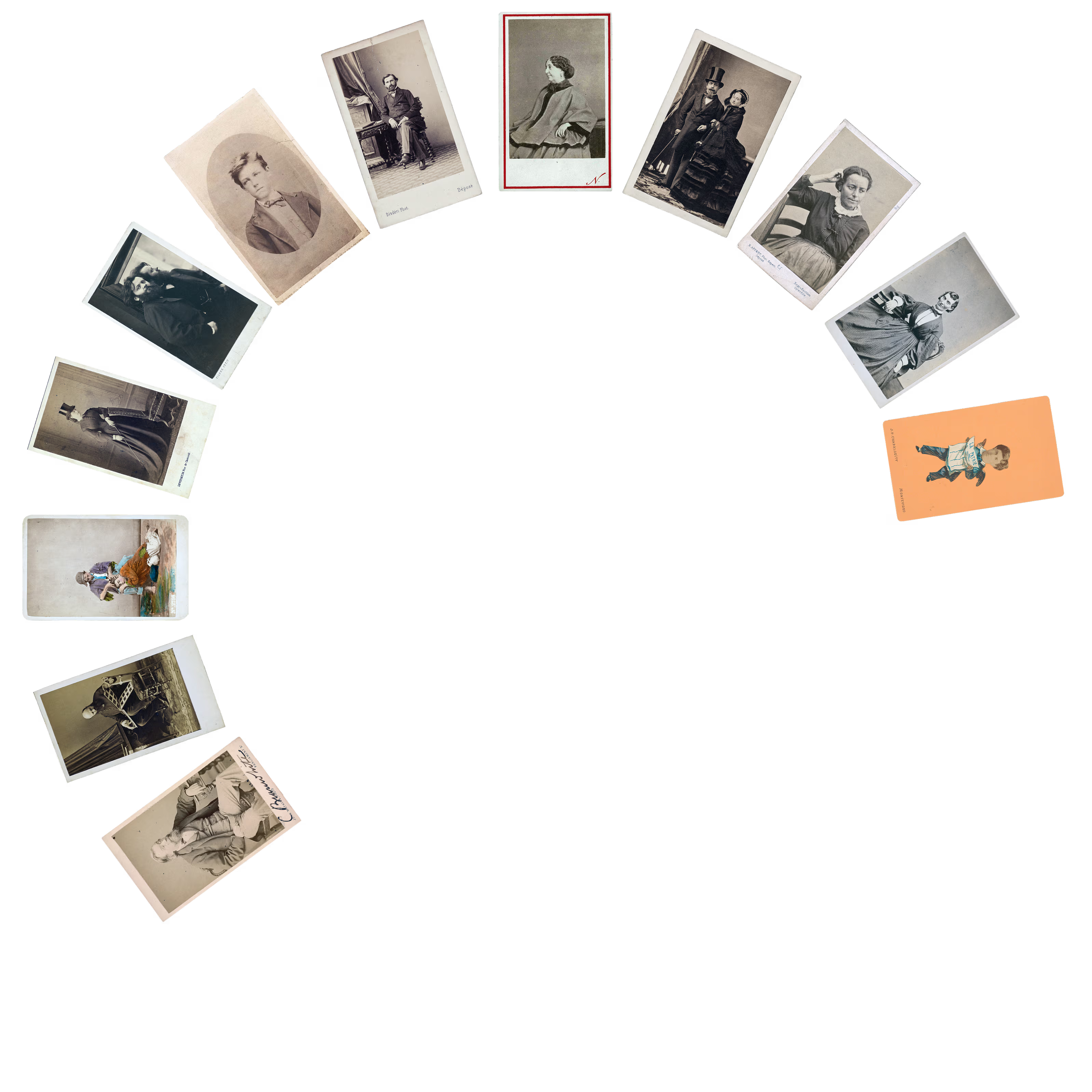
Facili da riprodurre, non ancora protette dal diritto d’autore, le cartes-de-visite dei protagonisti dell’attualità inondano cataloghi, bancarelle e vetrine di fotografi, librai, tipografi, che le vendono a semplici curiosi e seguaci appassionati. Accanto a questi circuiti commerciali, i ritratti fotografici, spesso autografati, dei leader politici sono venduti anche nelle loro reti organizzate, a volte clandestinamente, a scopo di autofinanziamento e di cemento di un’appartenenza ideale.
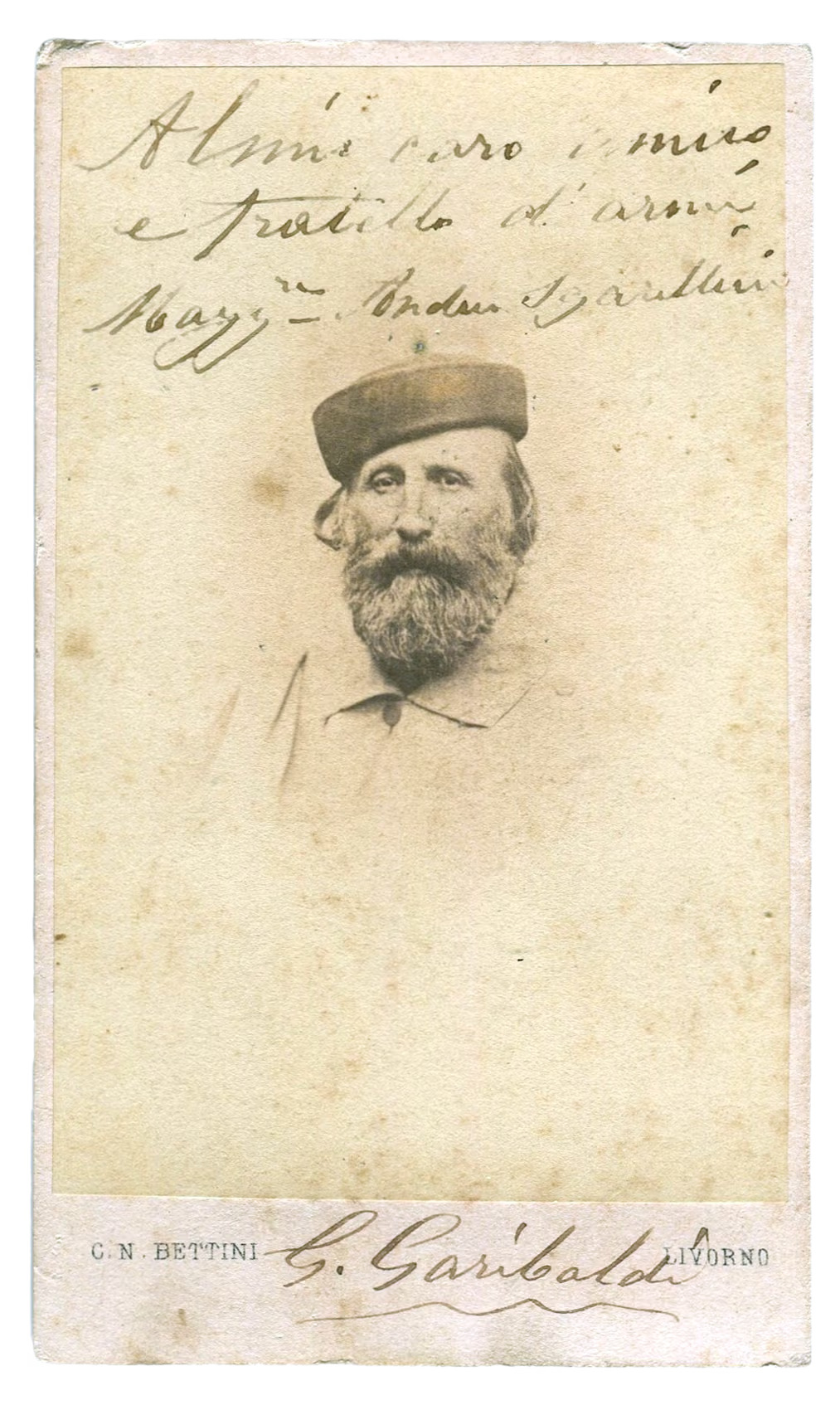
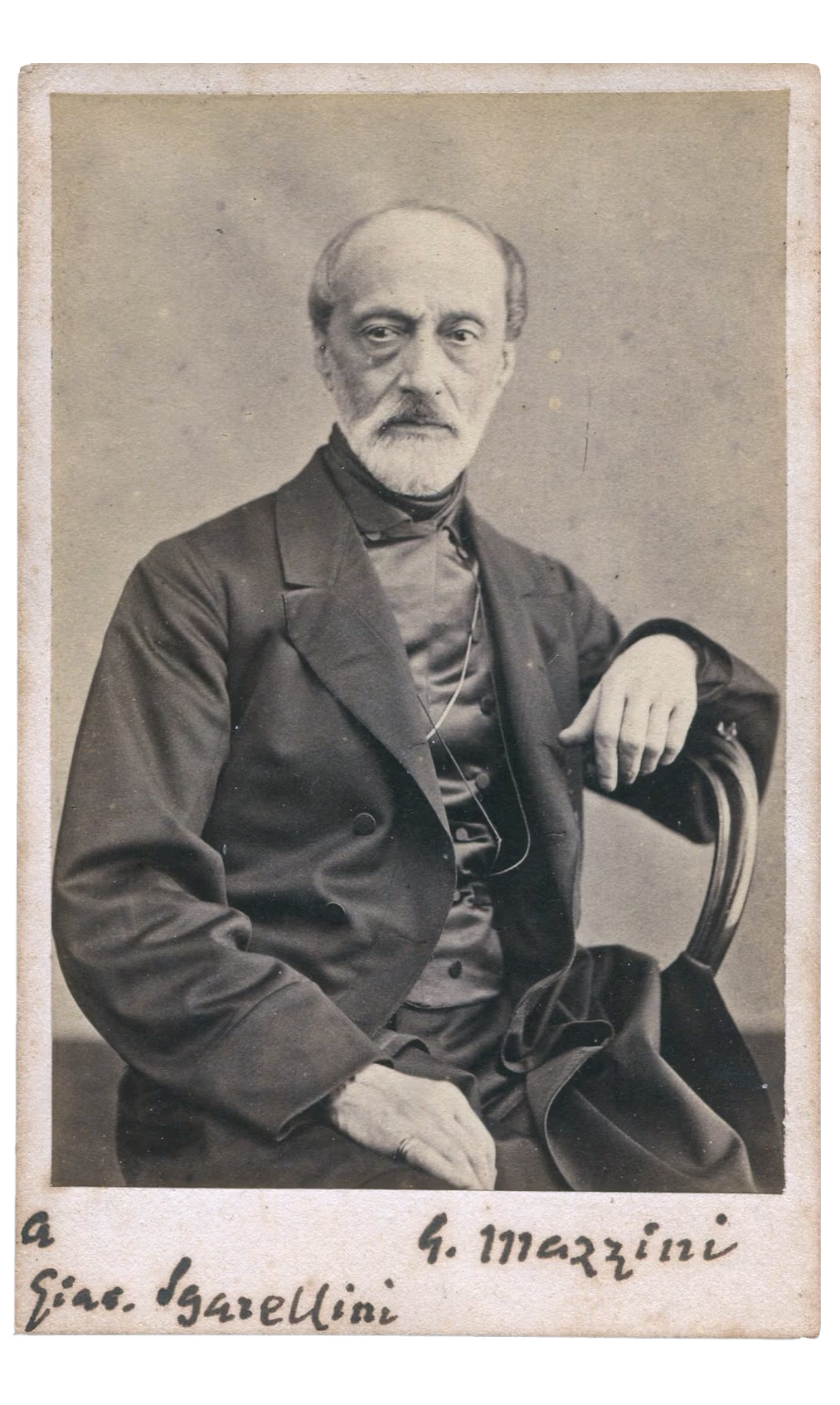
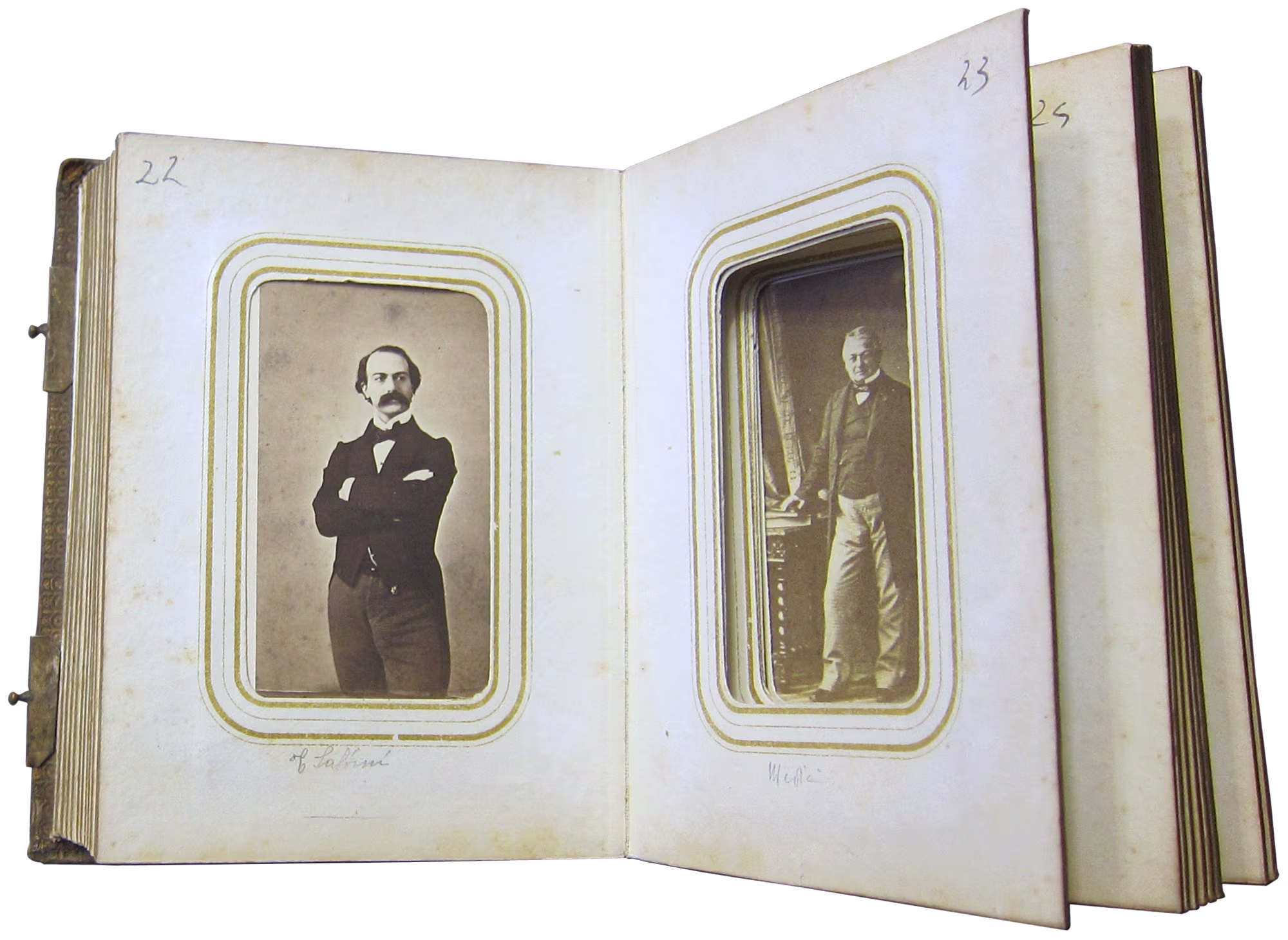
Per custodire i ritratti di familiari e celebrità nasce un oggetto destinato a lungo futuro: l’album di fotografie. Si tratta di raccoglitori di produzione seriale, più o meno preziosi a seconda della lavorazione delle copertine, con pagine in cartone ricoperto di carta decorata dove sono ritagliate una o più finestre delle dimensioni di una carte-de-visite. Ordinati spesso dalle donne di casa e tenuti aperti nelle stanze deputate a ricevere e conversare, gli album esibiscono le relazioni, l’aggiornamento sull’attualità e le opzioni politiche della famiglia.
La politica in salotto
Nel corso del Risorgimento le case di molti italiani si riempirono di oggetti che avevano un chiaro riferimento a protagonisti e simboli del riscatto nazionale. Nei salotti borghesi ma anche nelle disadorne stanze delle famiglie popolari si potevano trovare un orologio con un Garibaldi in miniatura, un busto di Vittorio Emanuele II, una brocca con il tricolore. Gli spazi del privato erano divenuti un luogo politico.
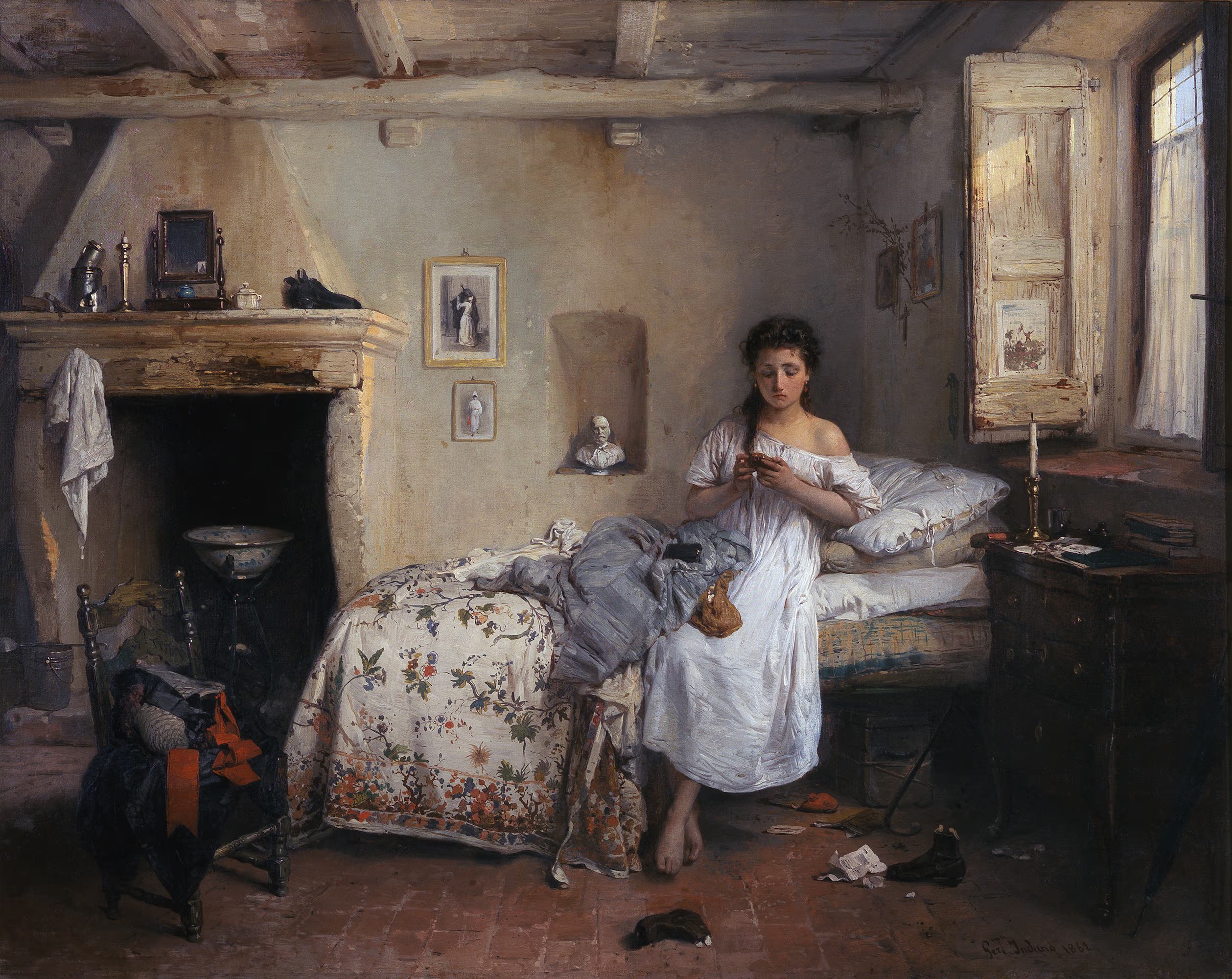
Tra gli oggetti più diffusi in questo merchandising politico vi erano i busti. Accanto a sovrani e papi, a essere fissati in gesso erano i volti di uomini politici, pensatori, capi militari, che entravano nelle case per essere collocati nell’incavo di una parete o sopra un mobile. Gran parte di questa produzione era opera di artigiani che provenivano da una piccola provincia italiana: Lucca.
Ogni stagione politica aveva i suoi oggetti. Nel corso della restaurazione dovevano essere di piccole dimensioni e facilmente camuffabili per non essere identificati dalla polizia come materiali sovversivi; nel Quarantotto andavano di moda busti e stampe da appendere al muro, oltre ad accessori portatili da esibire sul corpo; tra il 1859 e il 1860 gli artigiani si sbizzarrirono nella produzione di stoviglie, lampade, tovaglie, tappeti con colori e immagini patriottiche.
Dalla celebrità alla memoria

Ritorno a Orsini
Felice Orsini fu giustiziato il 13 marzo 1858 sulla piazza de la Roquette a Parigi. Prima di morire gridò «Viva l’Italia! Viva la Francia!». La notizia della sua esecuzione ebbe una grande eco, anche al di là dell’Atlantico. A New York la comunità degli esuli europei organizzò un corteo in memoria al quale parteciparono quasi 20.000 persone. In tutta Europa furono pubblicati resoconti del suo processo, riedizioni delle sue memorie e stampe della sua esecuzione.
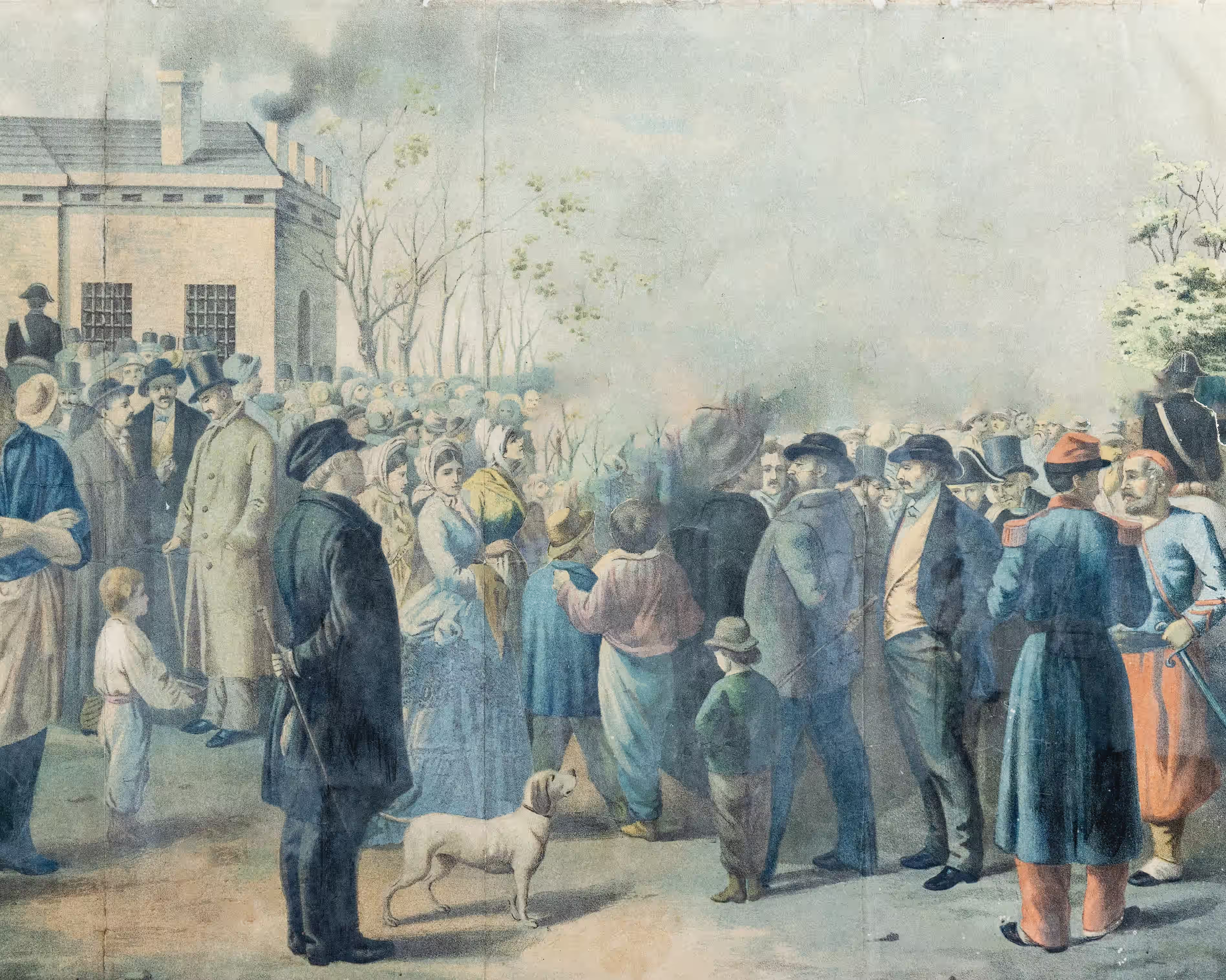
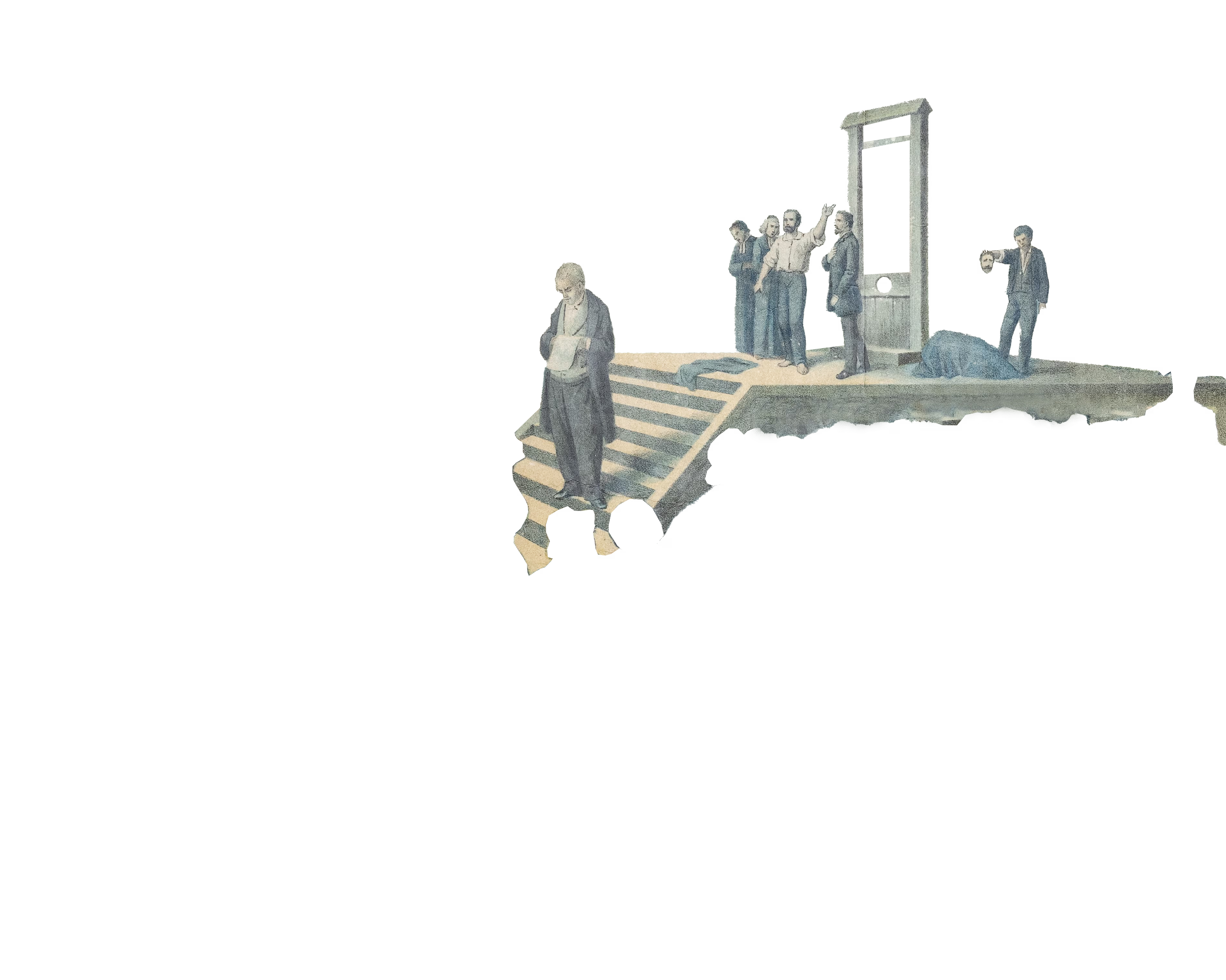
«Che Vostra Maestà non respinga il voto di un patriotta che sulla scala del patibolo tenta di liberare la patria e le benedizioni di 25 Milioni di cittadini lo santificheranno nella posterità»
Felice Orsini, 11 febbraio 1858
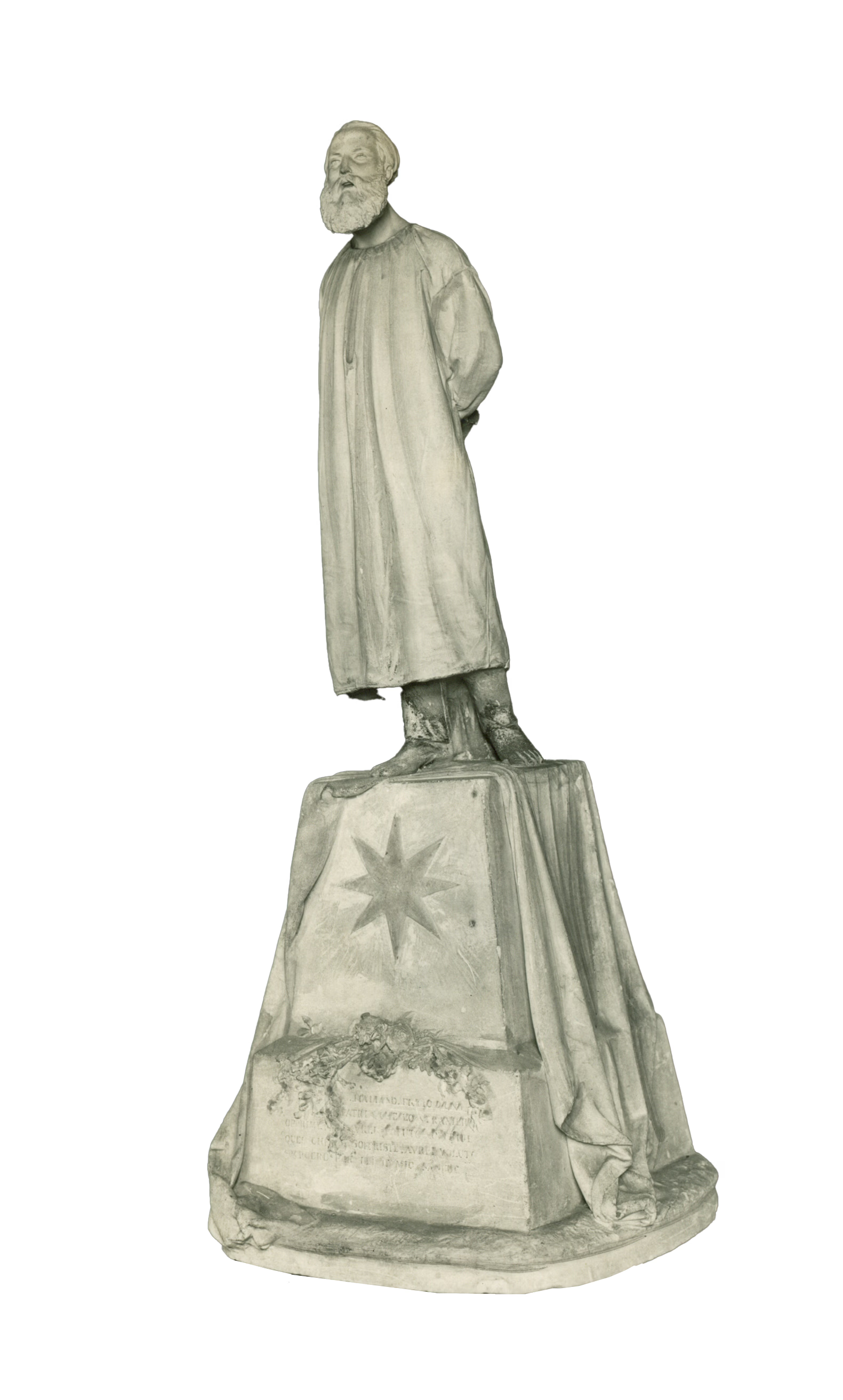
Nel mondo cospirativo italiano ci fu chi pensò addirittura di tradurre in gesso l’immagine di Orsini che si avviava al patibolo. Realizzata nella Milano austriaca poche settimane dopo l’esecuzione, la statuetta doveva essere venduta clandestinamente per finanziare il movimento patriottico, ma la polizia ne venne a conoscenza e distrusse gran parte delle copie prodotte. Sopravvisse solo un esemplare, che entrò poi nel museo del Risorgimento di Milano.
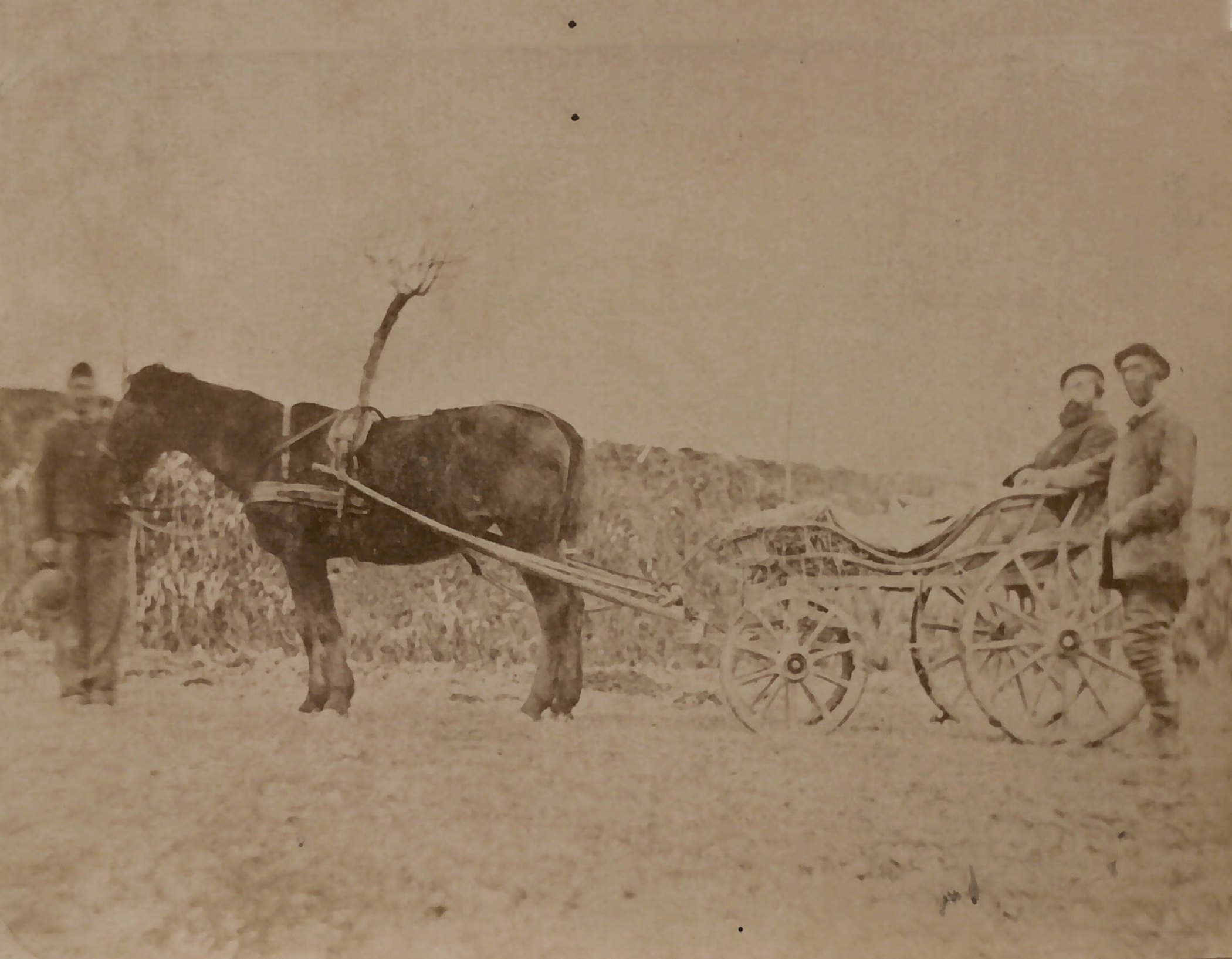
La memoria di Orsini rimase viva anche dopo l’Unificazione: libri, stampe, fotografie, rappresentazioni teatrali, opere in musica ricordavano agli italiani la sua tragica vicenda. Nel 1867 a Mantova fu messa in scena una ricostruzione della sua spettacolare evasione negli stessi luoghi in cui era avvenuta e con la partecipazione dei popolani che l’avevano aiutato. Di tale performance vennero scattate alcune fotografie, corredate da didascalie, a comporre una sorta di proto-fotoromanzo.
Pratiche del ricordo
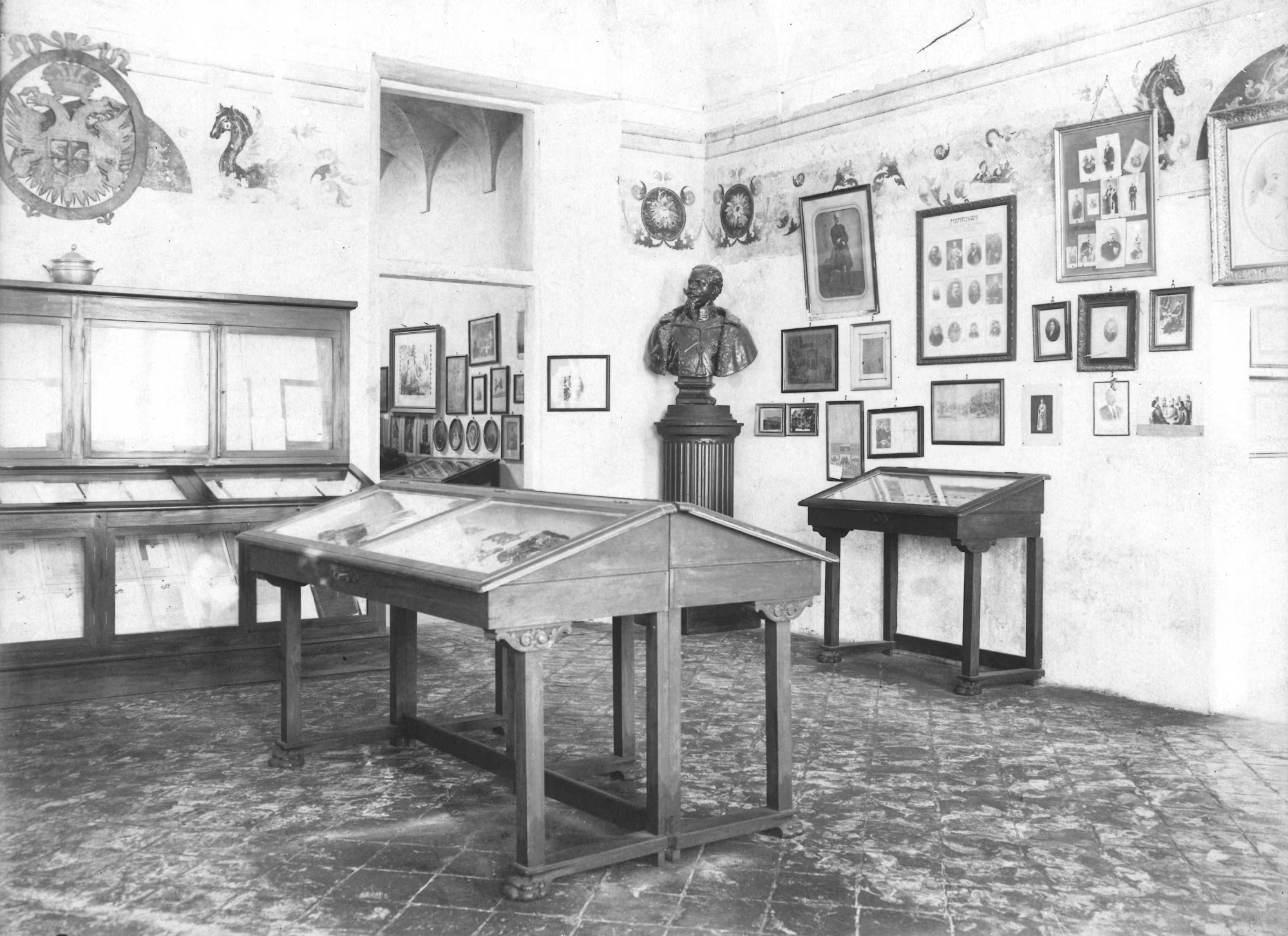
Poco dopo l’Unificazione gli oggetti usati nel corso del Risorgimento si trasformano in cimeli. Collezionisti privati e istituzioni pubbliche raccolgono migliaia di reperti, dei più disparati: indumenti, armi, stampe, reliquie fisiche. A partire dagli anni Ottanta buona parte di questi materiali vengono esposti in luoghi deputati a conservare la memoria del giovane Stato. Nascono i musei del Risorgimento.
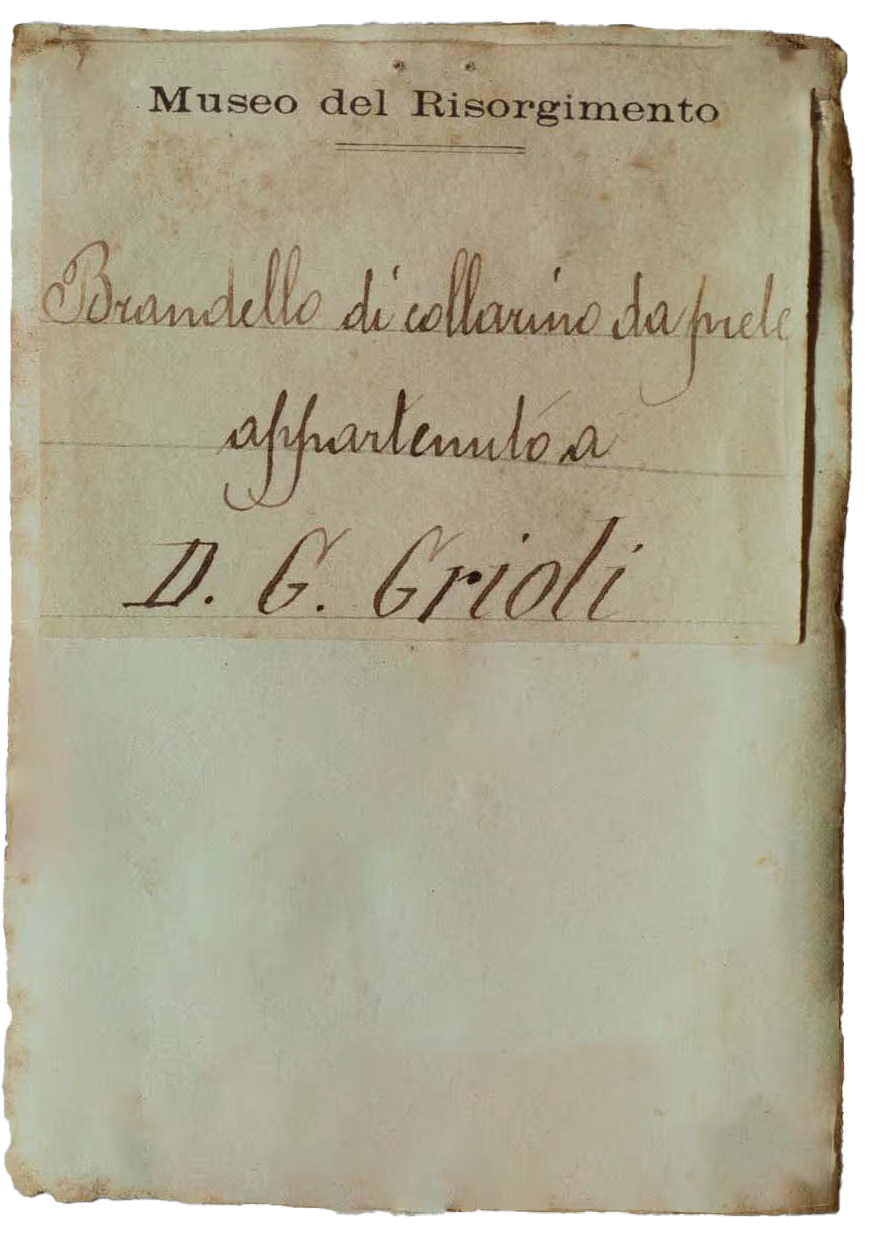
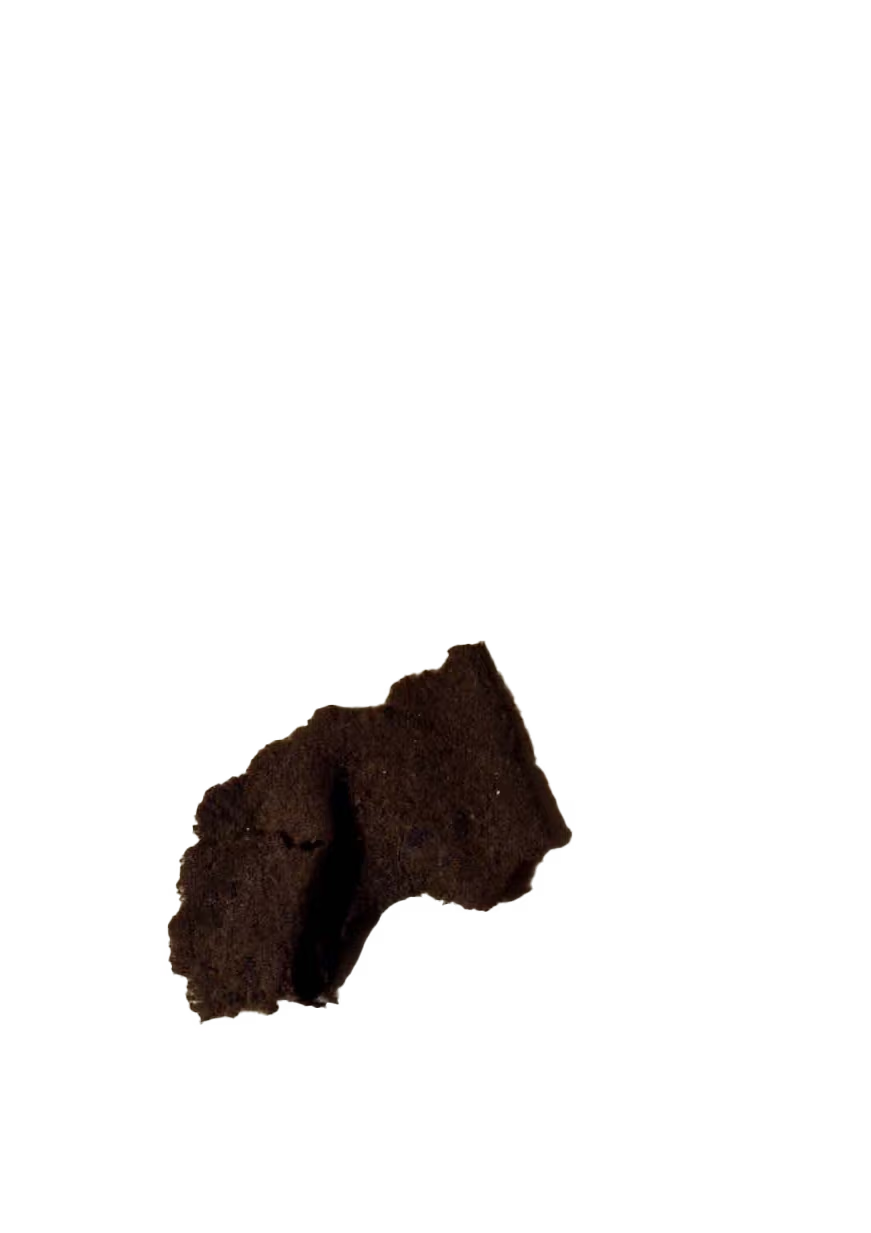
Anche i principali luoghi delle vicende risorgimentali diventano parte di questa politica della memoria: campi di battaglia, fortezze, piazze. Qui a fine Ottocento vengono inaugurate lapidi commemorative, statue o addirittura veri e propri ossari come a Solferino. A Mantova è il Castello di San Giorgio dove erano stati reclusi Orsini e i congiurati di Belfiore a diventare il luogo della memoria risorgimentale.
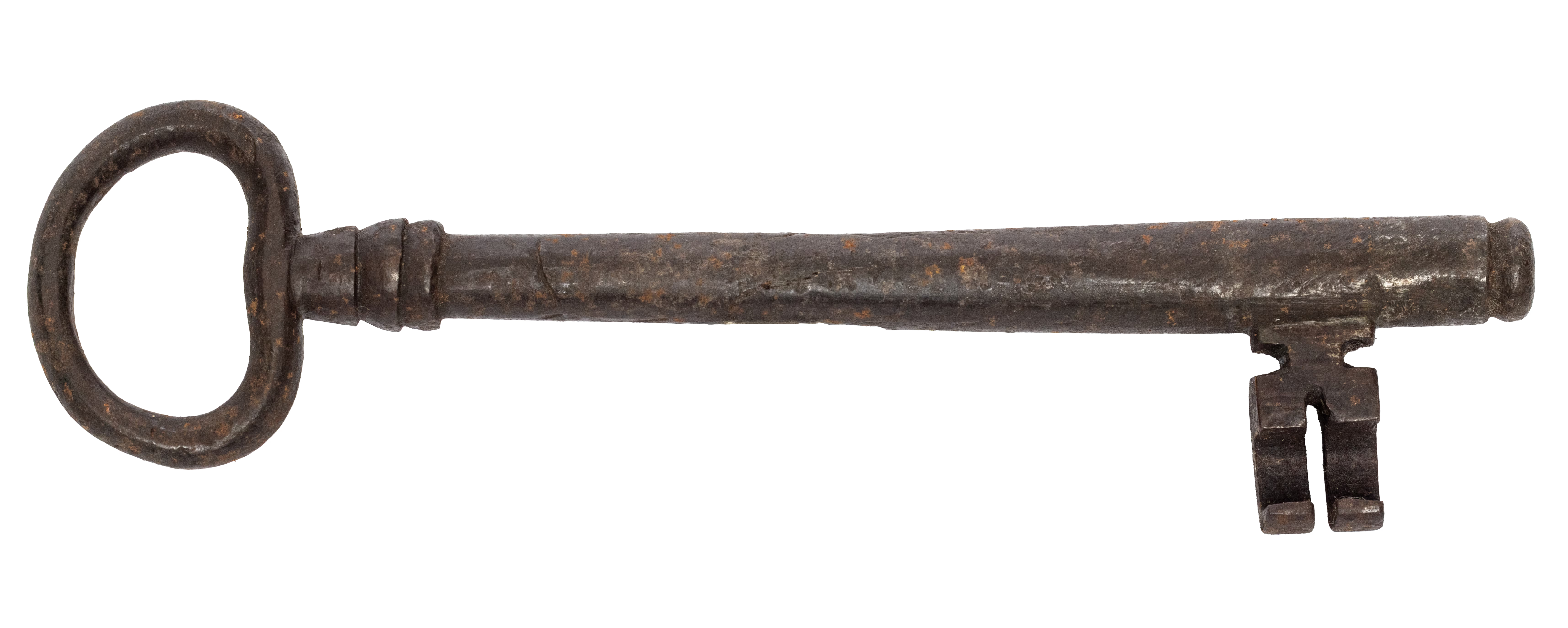
Perché nasca un vero e proprio museo occorre però aspettare il cinquantesimo anniversario della congiura di Belfiore: la volontà di celebrare l’episodio rimasto più iconico nella memoria locale favorisce lo scopo. Nel 1903 viene inaugurato il Museo del Risorgimento, che nel 1924 verrà trasferito – sia pur provvisoriamente - proprio nelle ex-celle del Castello di San Giorgio. E sono decine gli oggetti conservati dal museo che raccontano quella tragica storia: lettere, indumenti, catene, persino le forche.
Tra Sette e Ottocento anche Mantova sperimentò l'eccezionale trasformazione culturale e politica che caratterizza l'età delle rivoluzioni in molte parti del mondo euro-atlantico. L'intero Risorgimento italiano non è che una pagina di quella storia più ampia. I linguaggi, le idee, le istituzioni e le forme di partecipazione sperimentate allora segnano ancora oggi la nostra esperienza di cittadini e cittadine. E così gli stili di una politica impregnata di passioni, centrata sulle avventure di grandi personalità e capace di radicarsi per molte vie nella sfera più intima e quotidiana delle persone.